What Is Rhodium Plated Silver?
Short answer: it's sterling silver with a thin layer of rhodium bonded to the surface, so you get the structure of real silver with a brighter, tougher finish on top. That's it. That's the whole concept, and once you see it that way, the rest just fills in the details.
Here's why this matters if you're shopping Parken: every piece of our silver jewelry is .925 Italian sterling silver finished with rhodium plating. Not a coating we slap on some pieces and skip on others. All of it. So when you're wondering what is rhodium plated silver and whether it's "real" silver underneath (it is), you're really asking about the exact jewelry sitting in your cart.
We'll walk through three things: what rhodium actually is, why jewelers bother plating silver with it in the first place, and how to take care of the finish so it stays looking sharp for years instead of months.
What Does "Rhodium Plated" Actually Mean?
Rhodium isn't a type of silver. It's its own rare metal, part of the platinum family, and it's naturally white with a reflective, almost mirror-like quality. Think of it as a cousin to platinum rather than a relative of silver.
Electroplating is the process that gets it onto your jewelry. A piece goes into a bath, an electric current runs through it, and a thin layer of rhodium bonds to the surface. The result looks seamless, like the whole piece is made of this bright white metal, but it's really a coating over something else.
That something else, in Parken's case, is .925 sterling silver: 92.5% pure silver mixed with other metals for strength. The silver is the structural backbone of the piece, the part that gives it weight and shape. Rhodium is the top layer, there to protect and brighten.
One thing worth clearing up: solid rhodium jewelry basically doesn't exist for everyday pieces. Rhodium is too brittle on its own and too expensive to use as a structural metal. It only makes sense as a thin plated layer over something more workable, like silver.
Why Jewelers Rhodium Plate Sterling Silver
Plain sterling silver tarnishes. It's just chemistry: silver reacts with sulfur compounds in the air and moisture, and over time it darkens, sometimes unevenly, sometimes into a dull gray you have to polish off. That's true of basically all sterling silver, not just cheap stuff.
Rhodium plating creates a barrier between the silver and the air that causes tarnish. It slows the reaction down considerably, which means the bright, almost white-gold shine you get on day one sticks around a lot longer than it would on bare silver.
There's a bonus too: rhodium is a hard metal, so plated pieces pick up fewer surface scratches than unplated silver does. It's a small thing, but it adds up over months of actually wearing a piece instead of babying it in a drawer.
We'll say this plainly because it matters: plating is a finish, not armor. It can wear thin in spots that see a lot of friction, like the inside of a ring or a clasp you touch daily. That's normal, not a defect, and we cover how to slow it down in the care section below.
How Parken's Rhodium Plated Silver Is Made
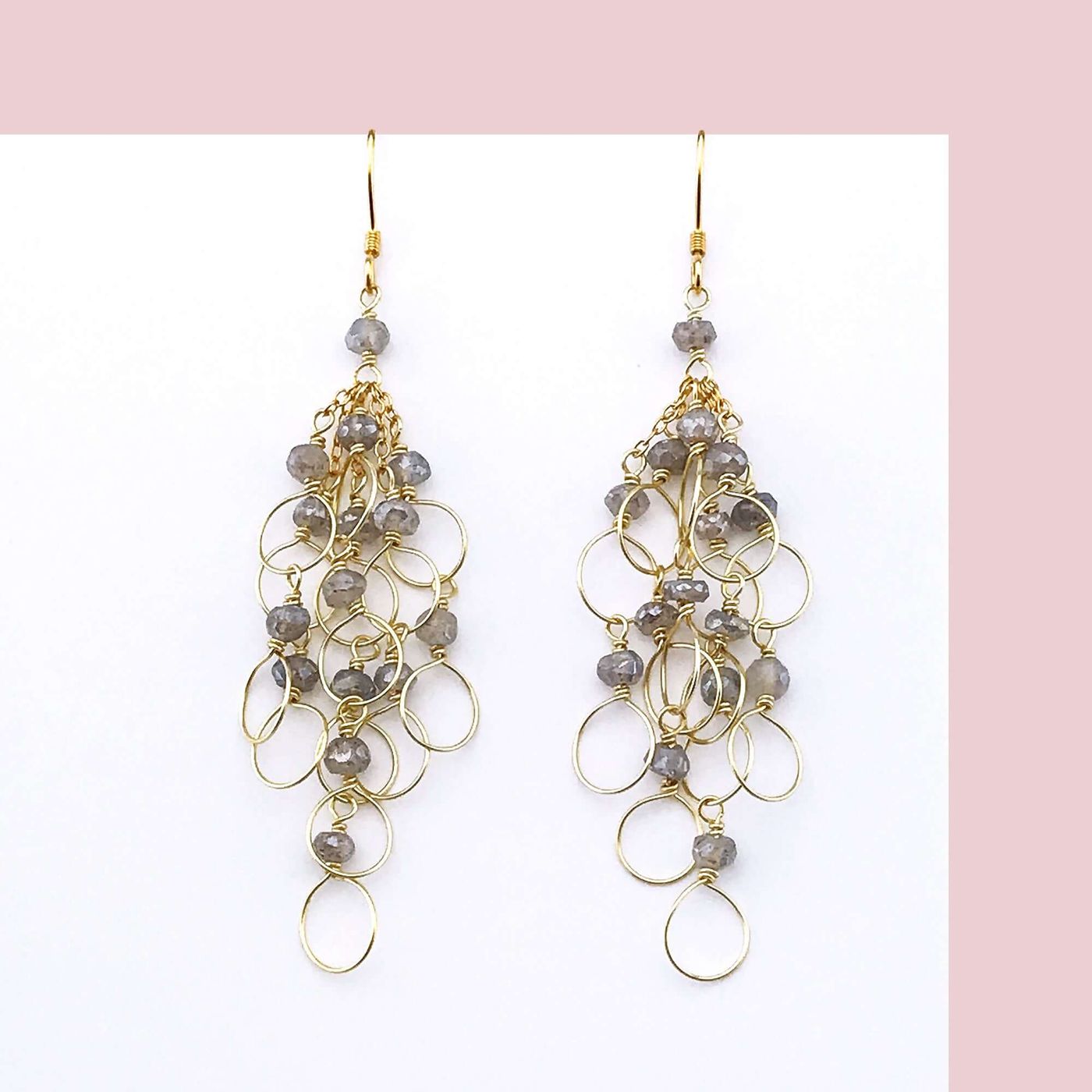
Every Parken silver necklace, earring, and bracelet starts life as fine Italian .925 sterling silver. From there it gets rhodium plated, which gives it that crisp, tarnish-resistant, white-gold kind of look without the white-gold price tag.
This isn't a batch process where pieces sit in a warehouse waiting to sell. Parken is made to order: once you place an order, our team of female artisans in the USA hand-makes your piece. You can read more about how that process works, and why we build jewelry this way, on our about page.
That same approach, Italian sterling silver base plus rhodium finish, carries across the whole silver catalog. Whether you're looking at silver necklaces, silver earrings, or silver bracelets, the construction is consistent. You're not getting a different quality tier depending on category.
One honest note on the gemstones themselves: we set real, natural stones into these pieces, and natural stones vary. Two pieces with the same name might show slightly different tones or clarity in the stone. We think that's part of what makes a handmade piece feel like yours, not a flaw to apologize for.
Rhodium Plated Silver vs. Solid Silver vs. Gold Vermeil
People often ask what is rhodium plated silver really buying them over plain sterling, so here's the direct comparison.
Plain, unplated sterling silver is cheaper to produce, which is why you see it everywhere. But without a protective layer, it tarnishes faster and needs more frequent polishing to stay bright. If you don't mind the upkeep, it's a fine option. If you'd rather not polish your jewelry every few weeks, it's a hassle.
Rhodium plated sterling silver starts from the exact same silver base, just with that protective white layer added on top. The result resists tarnish longer and gives you a sharper, brighter look straight out of the box, which is why it's become the standard finish for silver jewelry meant to be worn often.
Gold vermeil is worth mentioning here too, because it's built the same way, just with a different metal on top. Parken's gold pieces are 14k gold plated over that same .925 silver base. So rhodium plated silver and gold vermeil are really siblings: same structural metal, different plating, different final look.
Worth being clear about: Parken doesn't sell solid gold or gold-filled jewelry. Everything we make is either gold vermeil or rhodium plated silver. Knowing that upfront means you know exactly what you're buying, and why it costs what it costs.
| Finish |
Base metal |
Tarnish resistance |
Typical price point |
| Unplated sterling silver |
.925 silver |
Lower, tarnishes faster |
Lower |
| Rhodium plated silver |
.925 silver |
Higher, bright white finish |
Mid |
| Gold vermeil |
.925 silver, 14k gold plated |
Higher, warm gold finish |
Mid |
How to Care for Rhodium Plated Silver Jewelry
Good care habits aren't complicated, they're just about sequencing. Put jewelry on last, after your perfume, lotion, and hairspray, not before. Those products are full of chemicals that break down plating faster than ordinary wear ever will.
Take it off before you shower, swim, or go to sleep. Water itself isn't the only issue; it's everything that comes with it, like soap residue and the friction of a pillow or washcloth rubbing against the plated surface for hours.
Chlorine and saltwater deserve a special mention because they're particularly rough on any plated metal. A pool day or beach trip is one of the fastest ways to wear down a rhodium finish, so leave the jewelry at home or in your bag that day.
When you're not wearing a piece, store it flat in a soft pouch or a lined box, and keep it separate from your other jewelry. Pieces clanking around together in a drawer will scratch each other, plated or not.
With gentle care, a rhodium finish holds up well for a long time. But it's still a plated finish, not a waterproof one, and setting that expectation now saves you disappointment later.
Frequently asked questions
Does rhodium plated silver turn your skin green or black?
Rhodium plating is actually meant to reduce that kind of reaction by creating a barrier over the sterling silver underneath. As with any plated jewelry, the coating can wear thin over years of daily contact with skin, lotion, or perfume, which is when discoloration is more likely to show. Keeping pieces dry and applying lotion before putting jewelry on helps the finish last.
How long does rhodium plating last on jewelry?
There is no fixed timeline since it depends on how often a piece is worn and how it is cared for, but gentle use (avoiding water, lotion, and perfume on the jewelry itself) helps the finish last noticeably longer. Pieces worn daily without much care will show wear sooner than pieces saved for occasional outfits. Storing jewelry flat in a pouch when it is not being worn also helps protect the plated surface.
Is rhodium plated silver the same thing as sterling silver?
Not exactly. Sterling silver is the metal underneath, made of 92.5% pure silver, while rhodium plating is a separate, thin layer of a different white metal bonded on top for shine and tarnish resistance. Parken's silver pieces are .925 sterling silver with a rhodium plated finish, so both terms are accurate, just describing different parts of the same piece.
Can I shower or swim while wearing rhodium plated silver jewelry?
We'd recommend taking it off first. Water, chlorine, and saltwater all wear down plating faster, so rhodium plated silver jewelry lasts longest when it is kept dry and put on after you are done with showering, swimming, or heavy exercise. Think of it as a finishing touch you add once you're ready to head out, not something to wear in the water.
Is rhodium plated silver good for sensitive skin?
Sterling silver with quality rhodium plating is generally a better choice than cheap, unknown base metals for many people with sensitive skin, since it avoids the mystery alloys found in fast-fashion jewelry. That said, we can't claim it is hypoallergenic or guaranteed safe for every sensitivity, since everyone's skin reacts differently. If you have a known metal allergy, it's worth checking with your dermatologist before choosing any plated jewelry.
Find Your Everyday Silver Piece
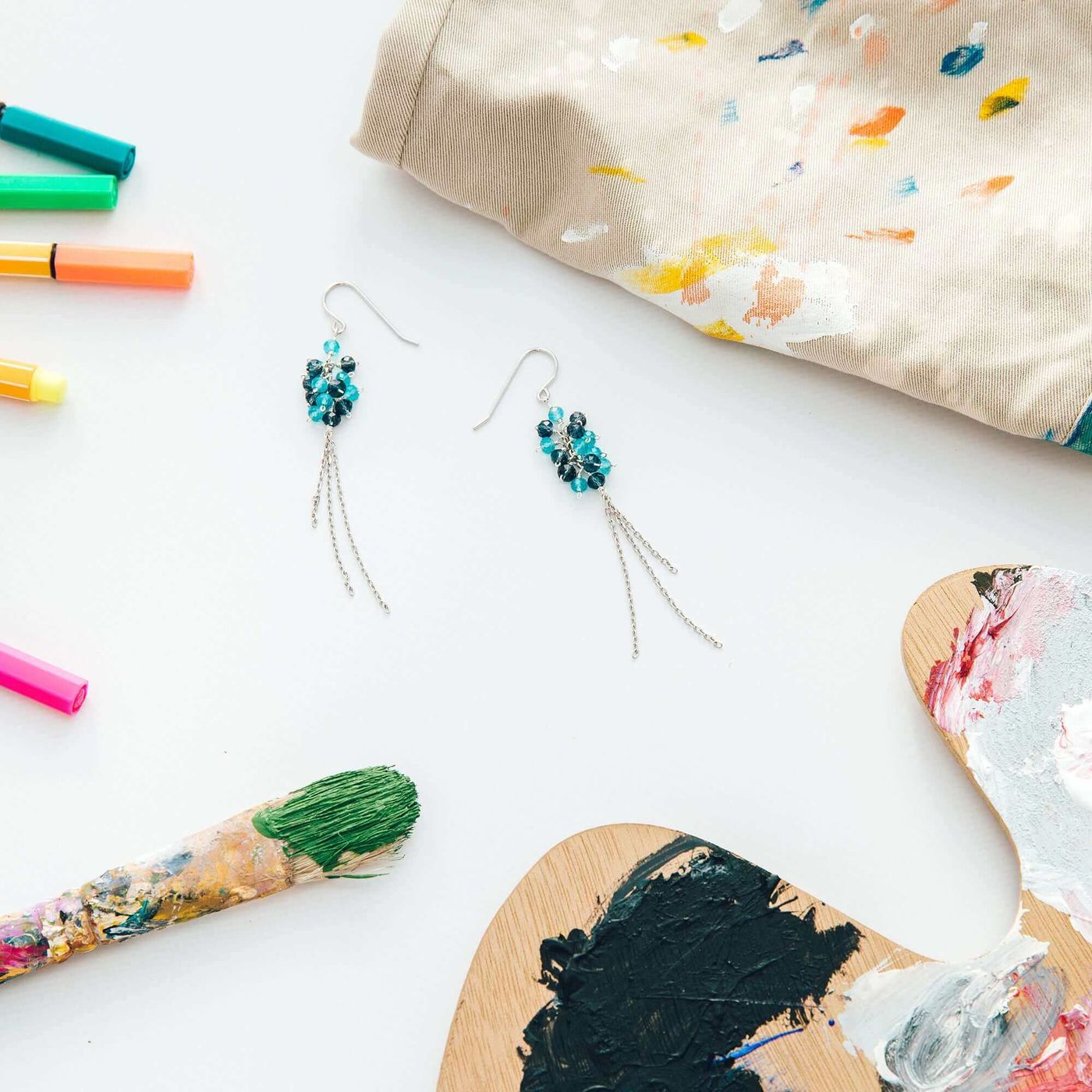
Rhodium plated silver gets you that bright, white-gold look without the white-gold price, and now you know exactly what's happening under the surface to make that possible.
If you want to see the finish in person, browse Parken's silver necklaces and look at how it plays across pendants, simple chains, and layered styles. And if you'd rather ease into it, join our newsletter for styling ideas and a heads up when new silver pieces land.


Leave a comment