Stud or Hoop: Why This Is the First Decision Most Earring Shoppers Make
Before you fall down the gemstone rabbit hole or agonize over gold versus silver, there's a simpler fork in the road: stud or hoop. It's the first real decision in building an earring wardrobe, and it shapes everything else you buy after.
Most women end up with both in their jewelry box eventually. But ask anyone what they reach for on a Tuesday morning and you'll usually get one clear answer, not a toss-up. This guide walks through how studs and hoops are actually built, what each one feels like to wear all day, and which occasions tend to favor one over the other. Parken makes both shapes by hand in gold vermeil and rhodium-plated silver, so this isn't an abstract debate. It's a comparison you can shop directly once you know which side you land on.
What Makes an Earring a 'Stud'
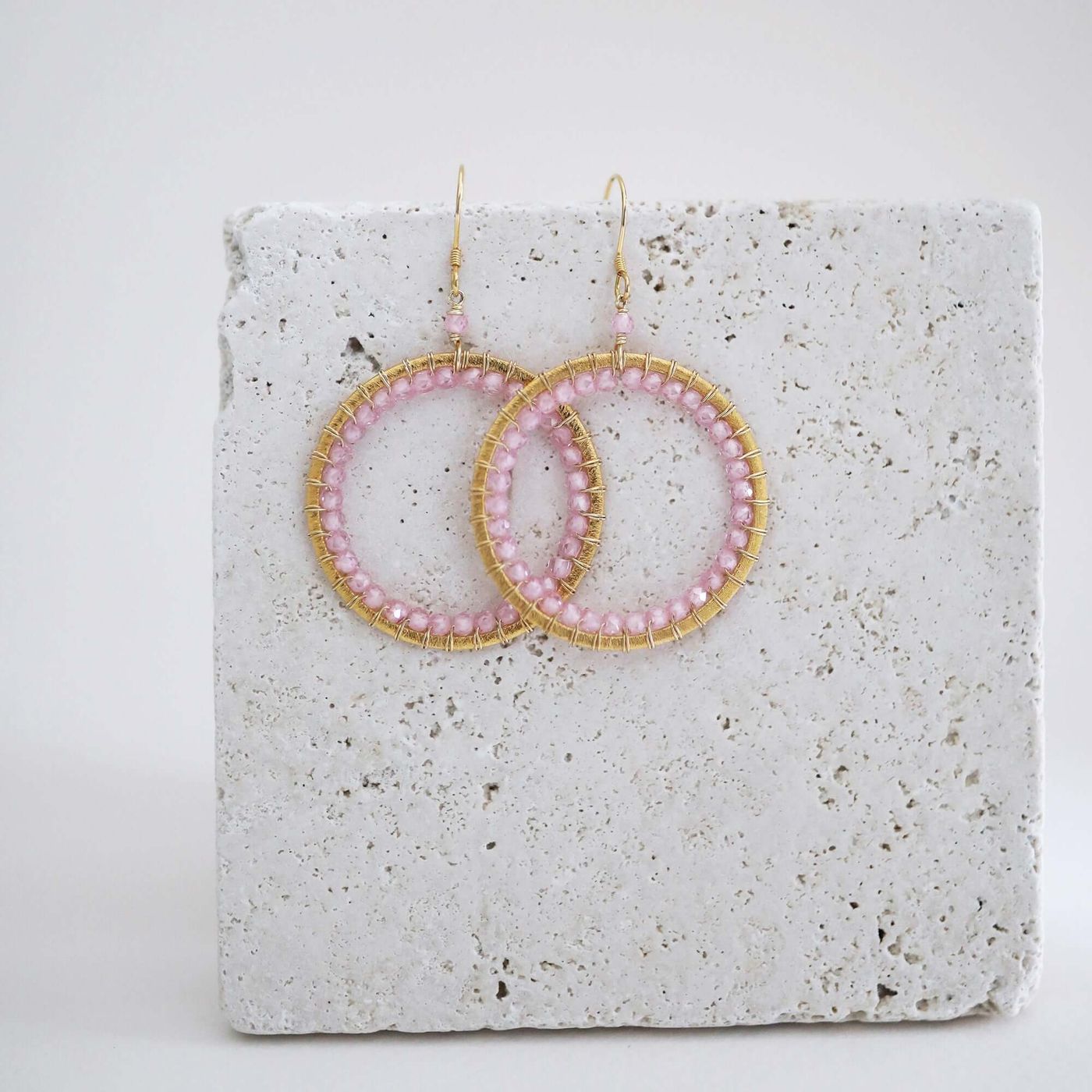
A stud is the simplest earring shape there is: a single gemstone, a halo cluster, or a small motif that sits flat against the earlobe, held in place with a post and a back. No movement, no dangle. Just a fixed point of sparkle right where your ear meets your jaw.
Within that simple frame, there's more variety than people expect. Solitaire studs put one clean stone front and center. Halo studs ring a center stone with a cluster of smaller accents, which gives you more sparkle without adding size. Bezel-set studs wrap the stone in a thin metal edge, for a slightly more modern, secured look.
The overall effect reads polished and quiet. Studs sit close to the ear, keep a low profile, and don't compete for attention the way a bigger piece would. They're also, almost always, the lightest earrings you'll own. If you put earrings in before 7am and don't think about them again until bed, that weight matters more than it sounds like it should.
What Makes an Earring a 'Hoop'
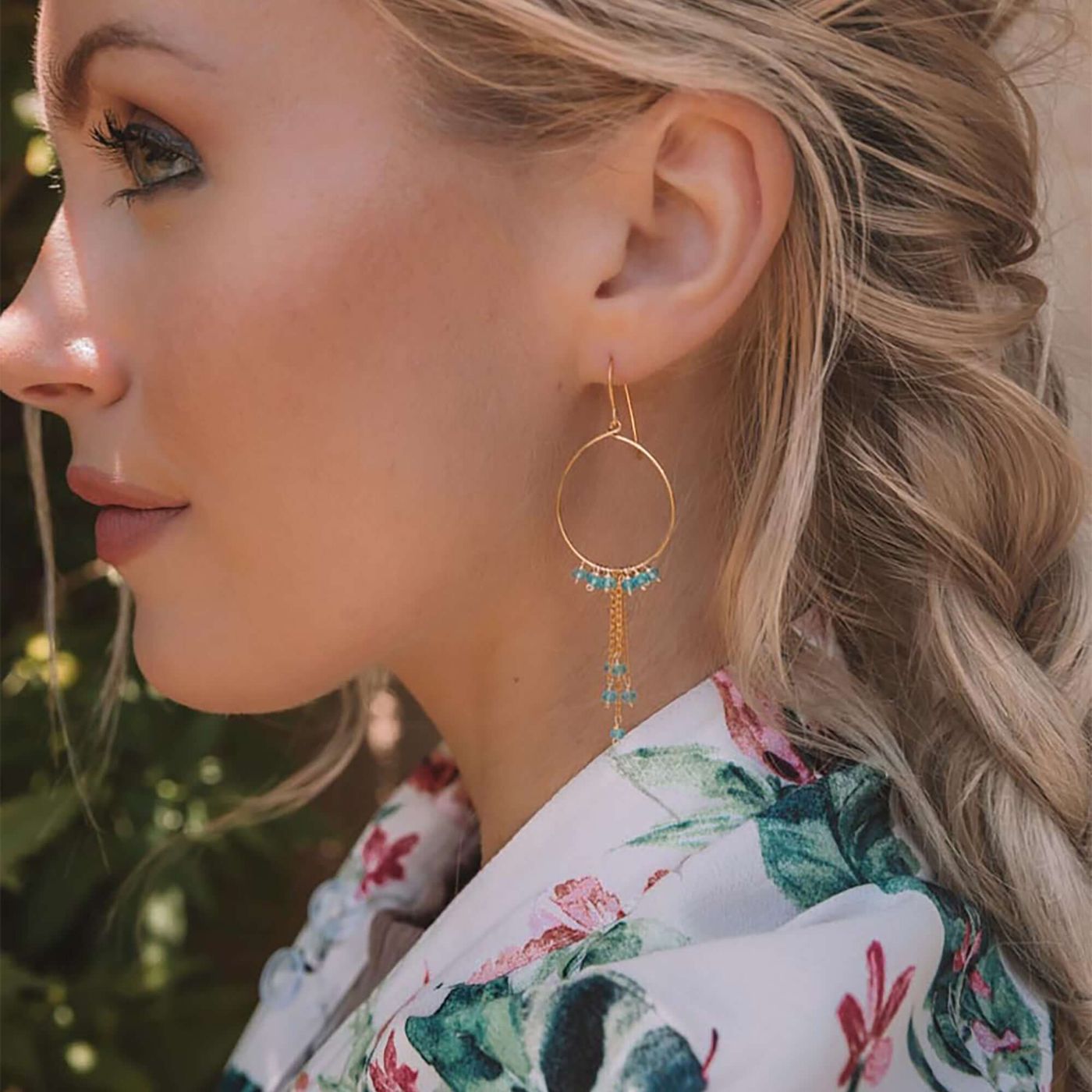
A hoop is any circular or oval shape that passes through the piercing and curves back on itself. That's the whole definition, but it covers a surprising range: tiny huggie hoops that sit tight against the earlobe all the way up to full swing hoops with real diameter and drama.
Size is only part of the story, though. A small huggie hoop hugs the lobe closely and barely moves, almost like a stud with an opinion. A mini swing hoop, even just a centimeter or two bigger, introduces actual motion, catching light as you turn your head in a way a fixed stone never will.
That motion is really the whole appeal. Hoops add a bit of life to an outfit, even in a modest size, because they're never perfectly still. What affects comfort more than size, honestly, is the closure. A hinged hoop snaps shut and stays put. A latch-back takes a second more to fasten but tends to sit more securely through a full day. Either way, that mechanism matters more to how a hoop feels by 6pm than its diameter does.
Stud vs Hoop: Side-by-Side Comparison
Put them side by side and the differences aren't subtle, even though both shapes can be small and understated.
Studs keep the focus on the center of your face. Hoops do the opposite: they frame your jawline and pull the eye outward, toward the edges. If you want attention on your eyes or your lip color, go stud. If you want to soften or define your jawline, a hoop does that work for you.
Comfort day to day splits the same way. Studs sit still. You can sleep in them, work out in them, forget they're there. Hoops move with you, which is the point, but that same movement means they can catch on scarves, hair, or a phone call held a beat too long.
Occasion versatility favors studs for sheer flexibility. A good pair goes from your desk to dinner without changing the mood of your outfit at all. Hoops shift things slightly toward statement territory, even a small pair, so they're doing a touch more visual work.
Necklace pairing is where this gets practical. Studs are the better partner for layered necklaces, since nothing up at ear level competes with what's happening at your collarbone. Hoops want a simpler necklace, or none at all, so your ear doesn't end up busier than the rest of the look.
Maintenance and price, though, are identical regardless of shape. Every Parken piece, stud or hoop, gold or silver, is 14k gold vermeil or rhodium-plated sterling silver, so the care routine doesn't change: keep them away from water, lotion, and perfume, and the plating lasts. Price follows the same logic. Most pairs fall between $48 and $120, and that range is set by the gemstone and metal work involved, not by whether the final shape is round or flat against your ear.
| Factor |
Studs |
Hoops |
| Face focus |
Draws eye to center of face |
Frames jawline, draws eye outward |
| Daily comfort |
Stays still, easy to sleep or exercise in |
Moves with you, can catch on hair or scarves |
| Occasion range |
Desk to dinner without changing outfit mood |
Leans a bit more toward statement |
| Necklace pairing |
Pairs well with layered necklaces |
Best with simpler neckline jewelry |
| Care |
Keep away from water, lotion, perfume |
Same as studs |
| Typical price at Parken |
$48 to $120 |
$48 to $120 |
Which One Fits Your Lifestyle
If your days are full of client calls, meetings, or anything video-first, studs are the safer default. They stay quiet under a blazer, don't catch the camera's attention, and never need a second thought once they're in.
Evenings flip the equation a bit. A mini hoop adds motion and a bit of personality without tipping into chandelier territory, which makes it a solid choice for dinners out or date night when you want to feel a little more dressed without overdoing it.
If you're just starting to build a real earring collection, don't overthink it. One neutral stud pair and one mini hoop pair covers almost everything you'll need before you branch out into drop styles or anything with more movement.
And if you've got more than one piercing, there's an easy way to wear both at once: a stud in the primary lobe piercing, a small hoop in the second. It's become a popular combination for a reason. It looks intentional without trying too hard.
Mixing Styles and What Comes After Studs and Hoops
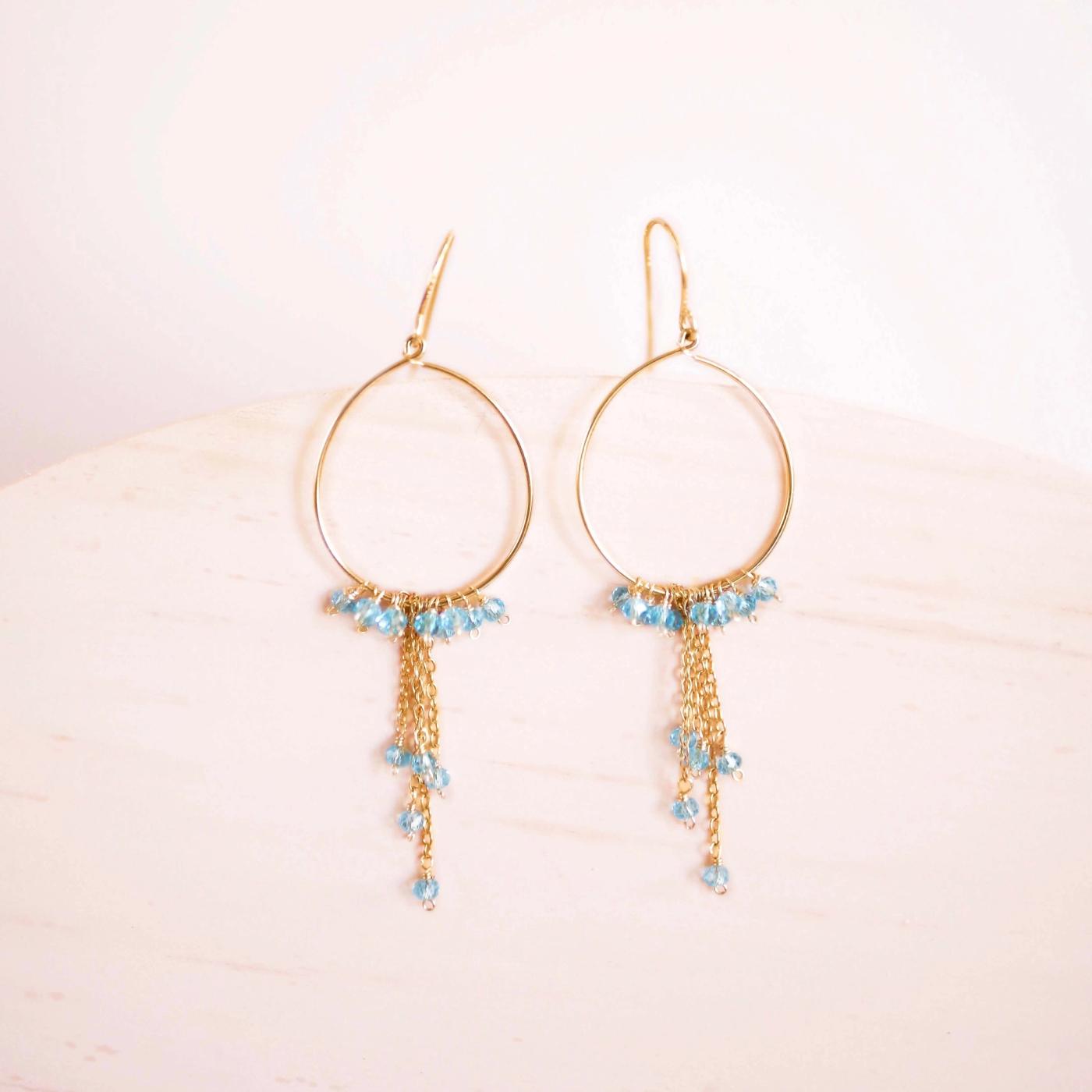
Here's a small thing worth saying out loud: it's fine to wear a stud in one ear and a hoop in the other. Done on purpose, it reads as a deliberate, slightly asymmetric choice rather than a mismatch. Worth trying before you write it off.
Once you've got the stud-vs-hoop decision sorted, think about your earring rotation the way you'd think about a small, well-edited wardrobe. One stud, one hoop, and one drop style will carry you through almost any occasion without needing to own a dozen pairs. The halo earrings sit nicely in that stud category if you want a bit more sparkle than a plain solitaire.
Drop earrings are the natural next step once your basics are covered, adding more movement and a touch more drama for the nights when hoops feel too quiet and chandeliers feel like too much. Worth a look once you've got your fundamentals settled.
One more honest note: because Parken uses real, natural gemstones, no two pairs are perfectly identical. A little variation in color or clarity from one pair to the next isn't a flaw. It's part of what makes a handmade piece feel like yours rather than something pulled off a factory line.
Frequently asked questions
Are hoop earrings or stud earrings more professional for work?
Studs are generally the safer choice for client-facing or formal work settings because they sit flat and stay quiet under a blazer or on a video call. Small huggie-style hoops can also read as polished and understated, so they are not off the table, but larger swing hoops tend to feel more evening than office. If in doubt, a simple stud is the easiest pick to wear every day without a second thought.
Do stud earrings or hoops work better for sensitive ears?
Comfort really comes down to the metal and plating rather than the shape, so a well-made stud and a well-made hoop should feel similar against the skin. Parken's pieces are gold vermeil or rhodium plated over fine .925 sterling silver, which is generally a better choice than cheap base metals for many people who find costume jewelry irritating. We can't promise every pair is safe for every sensitivity, so if you have a known metal allergy, it is worth checking with your dermatologist first.
What size hoop earrings should I buy if I've never worn hoops before?
Start small: a mini hoop or huggie style, roughly in the 10 to 15 millimeter range, gives you the movement of a hoop without the weight or drama of a larger one. It also layers more easily with everyday outfits while you figure out how much motion you like. Once you're comfortable, you can size up for evening wear.
Can I wear a stud and a hoop at the same time if I have multiple piercings?
Yes, this is one of the easiest ways to wear both styles at once: a stud in the first piercing and a small hoop in a second piercing creates an intentional, slightly stacked look. Keep the stud as the simpler of the two so the hoop can be the focal point, or vice versa, rather than having both compete for attention. It works well with both gold and silver pieces as long as the metals match.
Which is better for a gift, stud or hoop earrings?
Studs are usually the safer gift because they suit almost any face shape, outfit, and occasion, which matters when you're not sure exactly what the recipient wears daily. Hoops make a great gift for someone who already wears hoops often or who you know likes a bit more movement in their jewelry. When in doubt, a classic gemstone stud is the pick that is hardest to get wrong.
Shop Studs and Hoops at Parken Jewelry
So, stud vs hoop earrings: studs for quiet, everyday polish, hoops for a touch of movement and personality, both made the same way by hand, in the same metals, at the same price range. The right call usually comes down to what you want people to notice first: your face, or your jawline.
Take a look through our earrings collection to see the current gemstone options in both shapes, and if you want to hear about new styles and stones as they launch, join our newsletter. Earrings are one of the easiest ways to try a new gemstone for the first time, no full necklace commitment required.


Leave a comment