That dark, dull sheen on a favorite necklace isn't a sign you did something wrong. It's just chemistry doing its thing. If you've landed here because a chain or pendant is looking cloudy and you're not sure what's safe to use on it, here's how to remove tarnish from silver jewelry without scratching the metal or loosening a stone.
Why Silver Jewelry Tarnishes in the First Place
Tarnish is a reaction, not a flaw. Silver meets sulfur compounds in the air (they're in everything from car exhaust to the rubber bands in your jewelry box), and the surface darkens as a result. It's the same reason a spoon left in an egg yolk dish turns dull faster than one left in plain water.
Humidity speeds it up. So does everyday life: perfume, lotion, hairspray, chlorine from a pool, even the natural oils on your skin. None of that means your jewelry is cheap or poorly made. It means it's silver, and silver reacts.
The good news: tarnish is reversible. It's not rust eating into metal, it's a thin surface film, and it comes off with the right gentle method. A tarnished piece is not a ruined one.
How to Tell Tarnish from Other Kinds of Wear
Before you start cleaning anything, take a second look at what you're actually dealing with. Tarnish shows up as a yellow, brown, or blackish film sitting on top of the metal. Wipe it, polish it, and the shine underneath comes right back.
Plating wear looks different. Instead of a film you can remove, you'll see thinning color, or a slightly different tone peeking through in spots, usually where a ring sits against skin or a clasp gets handled a lot. That's not tarnish. That's the plating layer wearing down to the metal underneath, and no amount of polishing brings it back. Rubbing harder only makes it worse.
One more thing before you grab a cloth: check how any gemstones are set. Prongs, glue, bezels, they all vary, and some natural stones are far softer or more porous than the silver around them. If a setting looks loose or a stone has a rough, matte texture instead of a polished one, treat it as delicate first and clean around it, not over it.
Gentle At-Home Methods That Actually Work
Start simple. Warm water, a drop of mild, fragrance-free dish soap, and a few minutes of soaking is enough to loosen light tarnish on plain silver. Lay the piece on a soft cloth to air dry afterward instead of rubbing it dry, which can push grit across the surface.
If that doesn't fully clear it, reach for a dedicated silver polishing cloth. These are treated to lift tarnish without abrasives, and the technique matters here: rub in straight lines, not circles. Circular motions can leave fine swirl scratches that catch the light in a way you'll notice later, especially on a flat pendant.
For tarnish that's settled into tiny gaps, like the links of a chain or the back of a setting, a very soft-bristled baby toothbrush works well. Gentle, dry brushing, nothing scrubbed. This step is for plain metal only, keep it away from stones.
And if there's a gemstone involved, treat the whole piece a little differently. Keep stones dry, skip the soak, and clean the metal around them with a damp cloth instead of submerging anything. Some stones absorb moisture or cleaning agents in ways metal never will, so "clean around, not over" is the rule to remember.
What to Avoid When Cleaning Tarnished Silver
Toothpaste and baking soda get recommended constantly online, and they're both mistakes. They're abrasive at a microscopic level, fine for teeth, too rough for soft metal and gemstone surfaces. Used repeatedly, they dull the finish instead of restoring it.
Ultrasonic cleaners and commercial silver dips deserve the same caution, especially on anything with natural stones or pearls. The vibration in an ultrasonic bath can loosen a setting you didn't know was slightly worn, and dip chemicals can etch porous stones like pearls, opal, or turquoise. Save those tools for plain, stone-free silver, if you use them at all.
Plated jewelry needs its own warning. Rubbing hard, even with a soft cloth, can wear through a thin plated layer faster than you'd think, especially at edges and high points. Once that layer's gone, polishing won't bring it back, you're looking at the base metal underneath. Gentle pressure, every time, is the whole game.
Preventing Tarnish Before It Starts
Storage does more work here than people expect. A dry pouch or box with an anti-tarnish strip, pieces separated so they're not touching, cuts down on tarnish significantly. Tossing everything into one open dish on a dresser is basically an invitation for faster tarnishing and tangled chains.
Order of operations matters too. Put jewelry on last, after perfume, lotion, and hairspray have dried, and take it off before showering, swimming, or sleeping. It's a small habit, but it's the single biggest lever you have.
This applies to rhodium-plated silver as much as plain sterling. Keeping any plating away from water, lotion, perfume, and chlorine is what makes it look new for longer. Nothing's actually waterproof here, even pieces marketed as tarnish resistant benefit from staying dry.
A Note on Rhodium-Plated Silver Like Parken's
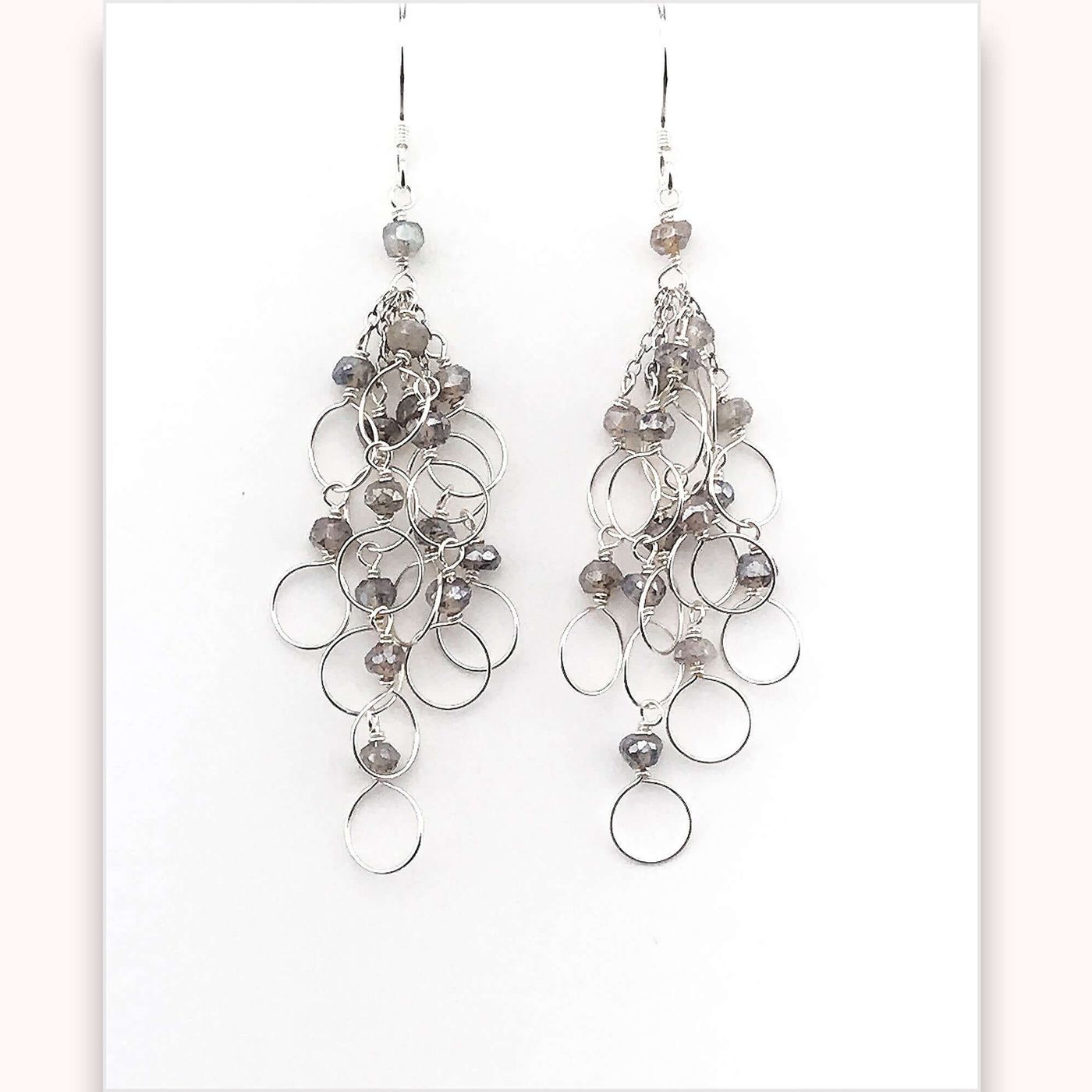
Our silver pieces are rhodium plated over fine Italian .925 sterling silver. That plating is what gives them a bright, white-gold look, and it's specifically chosen to resist tarnish better than plain sterling on its own.
Honest version: rhodium plating isn't a free pass. It still benefits from the same gentle habits, soft cloth, dry storage, keeping it away from water and lotion, that any silver piece needs. Treat it well and the shine lasts a long time. Treat it like it's indestructible and you'll see wear faster than you'd like.
Where this really differs is compared to plain, unplated sterling silver, which tarnishes faster and needs more frequent polishing to stay bright. If you've owned both, you've probably felt that difference already. Browse our silver necklace styles or silver earrings if you want a sense of what that rhodium finish looks like in person, and our silver bracelets wear the same way.
Frequently asked questions
Does vinegar or baking soda remove tarnish from silver safely?
Baking soda and vinegar are common DIY fixes, but they can be too abrasive or acidic for delicate settings, soft gemstones, and plated jewelry. A mild soap and water soak or a dedicated silver polishing cloth is a gentler option that gets most everyday tarnish off without risking scratches or damaged stones.
Can tarnished silver jewelry be restored to look new again?
Yes, in most cases light to moderate tarnish wipes away with gentle soap and water or a polishing cloth, since it's just a surface film rather than permanent damage. If the metal looks thin or a different color is showing through, that's plating wear rather than tarnish, and polishing won't bring it back.
How often should I clean my silver jewelry to prevent tarnish?
A quick wipe with a soft cloth after each wear and a proper soap-and-water clean every few weeks is usually enough for everyday pieces. How often you need it depends on your skin chemistry, climate, and how much the piece is exposed to lotion, perfume, and humidity.
Is it safe to shower or swim while wearing silver jewelry?
It's best to take jewelry off before showering, swimming, or soaking in a hot tub. Water, chlorine, and soap residue speed up tarnish and wear down plating over time, so keeping pieces dry helps them stay looking their best for longer.
Why did my silver jewelry turn tarnished so quickly?
Faster tarnishing is usually tied to humidity, sulfur in the air, or regular contact with perfume, lotion, or sweat, all of which react with silver. Storing pieces in a dry pouch with an anti-tarnish strip and putting jewelry on after your other products helps slow this down.
Keep Your Silver Looking Its Best
The routine, boiled down: mild soap and water or a polish cloth when something needs cleaning, dry anti-tarnish storage so it needs cleaning less often. That's really the whole system, and it works on everything from a plain chain to a rhodium-plated pendant.
If you're in the market for something new to add to your rotation, our silver necklaces are designed with exactly this kind of easy-care wear in mind. And if you'd like more care tips like this along with a look at new arrivals, join our newsletter, no pressure, just the good stuff when it's useful.


Leave a comment