So, Does Sterling Silver Change Color?
Yes, it does. Sterling silver can shift from bright white to yellow, then gray, then almost black if you leave it alone long enough. It's one of the most common questions we hear, and it's an honest one, because nobody wants to buy a necklace and watch it go dull in a drawer.
Here's the reassuring part: that color change doesn't mean your jewelry is cheap or fake. It's a chemical reaction, not a defect. Sterling silver has been reacting with the air for about as long as people have been wearing it, long before "mystery metal" costume jewelry existed.
So does sterling silver change color in a way you should worry about? Not really, if you know what's happening and why. Below, we'll walk through the chemistry, what speeds the process up, and how our rhodium plated silver pieces are built to push back against it for longer than bare sterling silver would on its own.
Why Sterling Silver Tarnishes
Pure silver is actually too soft for jewelry on its own, it bends and scratches too easily. So sterling silver is 92.5% pure silver mixed with other metals, usually copper, for strength. That's where the .925 stamp comes from, and it's the industry standard for "real" silver jewelry.
The tradeoff is that copper (and silver itself, to a lesser degree) reacts with sulfur compounds floating around in ordinary air, in sweat, in the products on your bathroom shelf. That reaction forms silver sulfide, a dark film that sits on the surface. That's tarnish. It starts as a faint yellow tint and can deepen into gray or black over time if it's never cleaned.
This happens to every sterling silver piece eventually, including the finest ones. It's not a manufacturing flaw or a sign someone cut corners on materials. It's just what silver does. The question isn't whether it tarnishes, it's how fast, and how much that speed is in your control.
How Rhodium Plating Changes the Picture
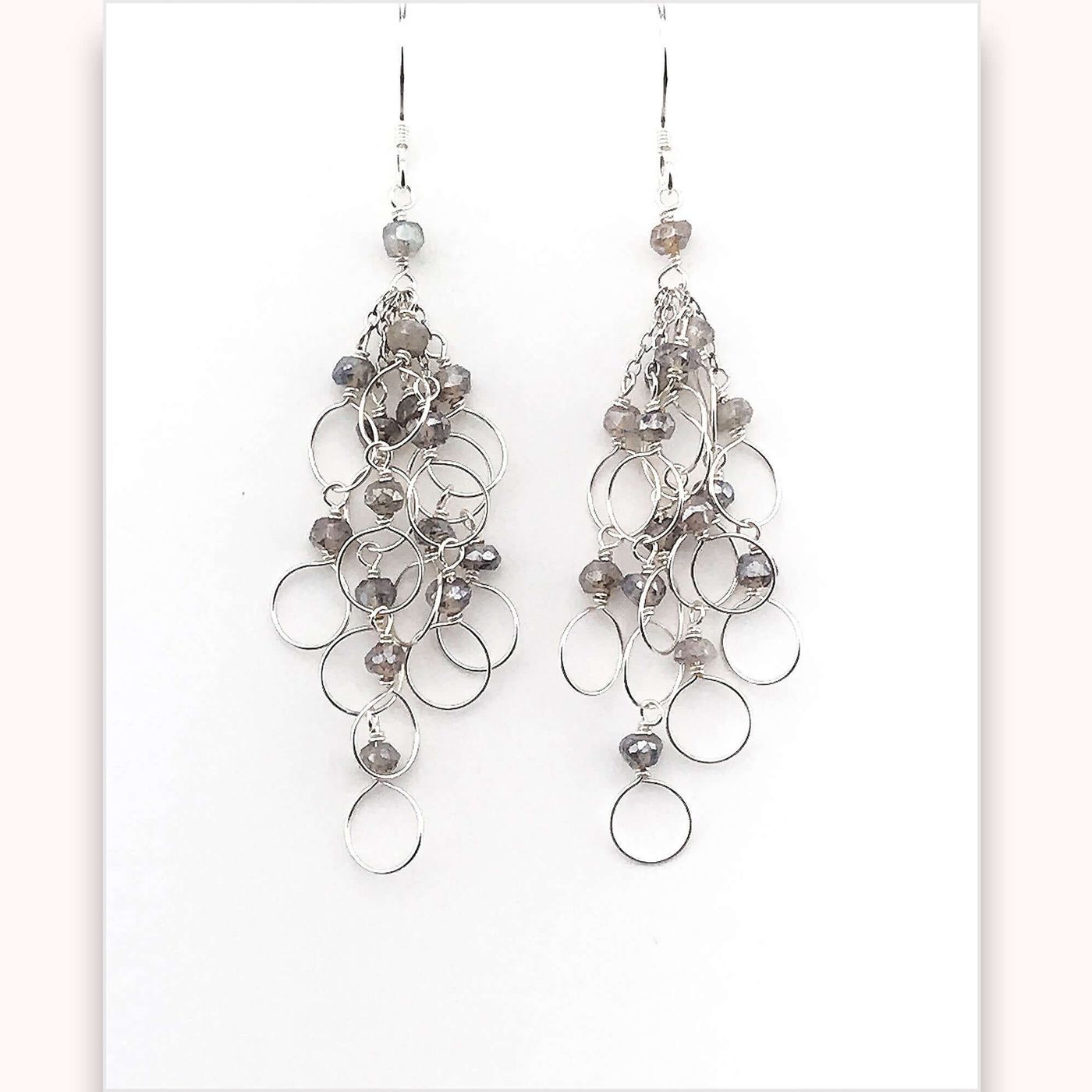
This is where our silver pieces differ from plain sterling silver. Every silver piece we make starts with fine Italian .925 sterling silver, then gets a layer of rhodium plating on top. Rhodium is a bright, hard, white metal that doesn't react with sulfur the way silver does, so it gives you that crisp white gold look while putting a tarnish resistant barrier between the silver underneath and the air around it.
We want to be straight with you about what that layer actually does, though. Plating slows color change significantly, it doesn't make it impossible. It's a finish, not a force field. Gentle care still matters, because the rhodium layer is thin by nature (that's what keeps jewelry wearable rather than bulky), and it can only do so much work on its own.
Over months or years of regular wear, that plating can wear thin in the spots that take the most friction: the backs of earrings, the inside of clasps, anywhere metal rubs against metal or skin. When that happens, you might notice the color shift slightly in just those spots, showing a hint of the silver base underneath. That's normal wear, not a sign something went wrong. If you browse our silver necklace collection or silver earrings, you're getting that rhodium finish from day one, and a little care keeps it looking its best for a lot longer.
What Speeds Up Color Change
Some habits speed up tarnish more than others, and most of them are things people do without thinking twice.
Perfume, lotion, hairspray, and chlorine are the big ones. All of them contain chemicals that react with metal, and spraying perfume directly onto a necklace, or swimming in your earrings, puts that reaction into overdrive. Showering in jewelry does the same thing: soap residue and hot water strip away the plating faster than you'd expect.
Storage matters more than people realize, too. Tossing a bracelet loose into a damp bathroom drawer, next to the shower steam and the hair products, is close to the worst place you can leave it. A dry, closed space (a pouch, a lined box, somewhere away from humidity) slows the whole process way down.
And then there's just you. Everyone's skin chemistry is a little different: your pH, how much you sweat, what's in that sweat. Some people notice their jewelry changing color within weeks, others barely see it after years. We're not going to tell you any piece is hypoallergenic or guaranteed to react a certain way on your skin, because that really does vary person to person. What we can say is that a few small habits go a long way no matter your skin type.
Tarnish vs. Damage: How to Tell the Difference
It helps to know what you're actually looking at before you panic (or before you reach for the metal polish).
Tarnish looks like a dull, yellowish or dark film sitting on top of the metal. It's usually even, it dulls the shine rather than changing the shape of anything, and it comes off with gentle polishing. If your necklace looks a little flat and yellowish compared to when you first got it, that's almost always tarnish, and it's fixable.
Plating wear looks different. It shows up as a worn patch, often right at a clasp, a jump ring, or the back of an earring post, where the base metal underneath starts to peek through. No amount of polishing fully restores that, because the rhodium layer in that spot is just thinner now, or gone. Polishing can clean the surrounding area, but it won't rebuild metal that's worn away.
Both of these are normal with everyday wear. Neither one means your jewelry is defective. If you're ever unsure which one you're dealing with, our FAQ page covers more on care and what to expect over time.
How to Keep Sterling Silver Looking Bright
A few small habits make a real difference here, and none of them take more than a minute.
Put your jewelry on last, after makeup, perfume, and hairspray, not before. Those products are some of the biggest tarnish accelerators, and applying them first gives the chemicals time to dry down before they ever touch metal. On the flip side, take jewelry off before you shower, swim, or go to sleep. None of our pieces are made to be worn in water, and skipping that habit alone will add real time to how bright a piece stays.
After you wear something, give it a quick wipe with a soft, dry cloth before putting it away. That removes the oils and residue that would otherwise sit against the metal overnight. Store pieces flat, in a closed pouch or box, away from humidity and direct light rather than piled in an open dish on the counter.
When something does need a deeper clean, reach for a soft jewelry polishing cloth made for plated pieces. Skip the baking soda and toothpaste tricks you'll see floating around online. They're mildly abrasive, which is fine for solid silver but can wear down a plated finish faster than it should. If you're building a small jewelry collection and want pieces that are easy to maintain from the start, our start with the basics collection is a good place to look.
Frequently asked questions
Is tarnished silver jewelry ruined?
No, tarnished silver is not ruined. Tarnish is a surface reaction that can usually be gently polished away with a soft jewelry cloth, restoring the original shine underneath.
Can you reverse sterling silver tarnish?
Yes, light tarnish on sterling silver can typically be buffed away with a soft polishing cloth made for jewelry. For plated pieces, stick to gentle wiping rather than abrasive cleaners or home remedies, since those can wear down the plating faster than the tarnish itself.
Does sterling silver turn skin green?
Pure sterling silver itself rarely causes green skin discoloration the way cheap base metal jewelry can, since that greening usually comes from copper reacting with skin oils and moisture. Everyone's skin chemistry is different, so if you're prone to reactions, quality sterling silver and plating are generally a better choice than mystery metal jewelry, though we can't promise it will be reaction free for every person.
How long does rhodium plating last on silver jewelry?
Rhodium plating can last anywhere from several months to a couple of years depending on how often a piece is worn and how it's cared for. Keeping jewelry away from water, lotion, and perfume, and storing it properly between wears, helps the plating stay bright longer.
Is sterling silver worth it if it eventually tarnishes?
Many people find sterling silver worth it because tarnish is easy to clean and the metal itself holds up well over time with basic care. With a tarnish resistant finish like rhodium plating and a simple care routine, sterling silver pieces can stay beautiful for years of everyday wear.
Bright Silver, Made to Last a While
Color change is just part of owning sterling silver, gold pieces and gemstones age too, in their own ways. It's not a flaw, it's chemistry. A little care, worn on last, taken off before water, wiped down and stored properly, keeps our rhodium plated pieces bright for a long time.
If you're ready to add a piece that's handmade in the USA with rhodium plated .925 silver for that clean, white gold finish, take a look through our silver necklace collection. And if you'd like more care tips, new arrivals, and the occasional behind the scenes note from our studio, join our newsletter, it's a nice low key way to stay in the loop.


Leave a comment