Can You Wear Citrine Every Day?
Yes. Of all the gemstones people ask us about for daily wear, citrine is one of the easiest to say yes to. It's a quartz variety, which puts it in the same durability family as amethyst and smoky quartz, stones that have been worn and handed down for generations without falling apart.
That said, how long a piece of citrine jewelry actually looks good on you isn't only about the stone. The metal it's set in, and how you treat the whole piece day to day, matters just as much. A citrine pendant on tarnish-prone metal won't hold up the same way one on quality plating will, even if the stone itself is fine.
Part of why citrine earns a spot in daily rotation to begin with is just how wearable the color is. That warm, honey-gold tone goes with almost everything, which is probably why it's also November's birthstone and such a popular pick for people who want one gemstone that does it all.
How Durable Is Citrine, Really?
Jewelers rate gemstone hardness on the Mohs scale, which runs from 1 (talc, soft enough to scratch with a fingernail) to 10 (diamond). Citrine sits at about 7, the same as the rest of the quartz family.
Here's what that means in practical terms:
| Material |
Mohs hardness |
| Talc |
1 |
| Glass |
5.5 |
| Most metals (gold, silver) |
2.5 to 4 |
| Citrine (quartz) |
7 |
| Sapphire |
9 |
| Diamond |
10 |
A 7 is solidly in the "fine for everyday life" range. It's harder than glass and harder than the metals it's usually set in, so keys, fabric, and countertops aren't going to leave scratches on it the way they would on a softer stone.
Hardness isn't the whole story, though. It only measures scratch resistance, not toughness. A hard knock against a doorframe or a countertop can still chip a citrine, especially if it's set in a ring or bracelet where your hands take the brunt of daily life. Necklaces and earrings get knocked around a lot less, which is worth keeping in mind as you build out your everyday pieces.
What Actually Affects How Long Your Citrine Jewelry Lasts
The stone is only half the equation. The metal around it is the other half, and that's where a lot of jewelry actually shows its age first.
Parken's gold pieces are 14k gold vermeil over .925 sterling silver, and the silver pieces are rhodium plated over .925 silver. Both are designed to resist tarnish, but plating isn't permanent armor. It lasts longest when it's kept away from water, lotion, perfume, and chlorine. None of that is waterproof or shower safe, and treating it that way is the fastest way to wear plating down before its time.
The fix is simple, honestly. Put your jewelry on last, after makeup and perfume, not before. Take it off before the gym, before a shower, before bed. These aren't dramatic rituals, just small timing shifts that add years to a piece.
Storage matters more than people think too. Tossing citrine jewelry into a drawer with other pieces means metal rubbing against metal, and stones rubbing against settings. A soft pouch or a lined jewelry box keeps everything separated and scratch-free. It takes ten extra seconds and it's worth it.
Best Ways to Wear Citrine for Everyday Use
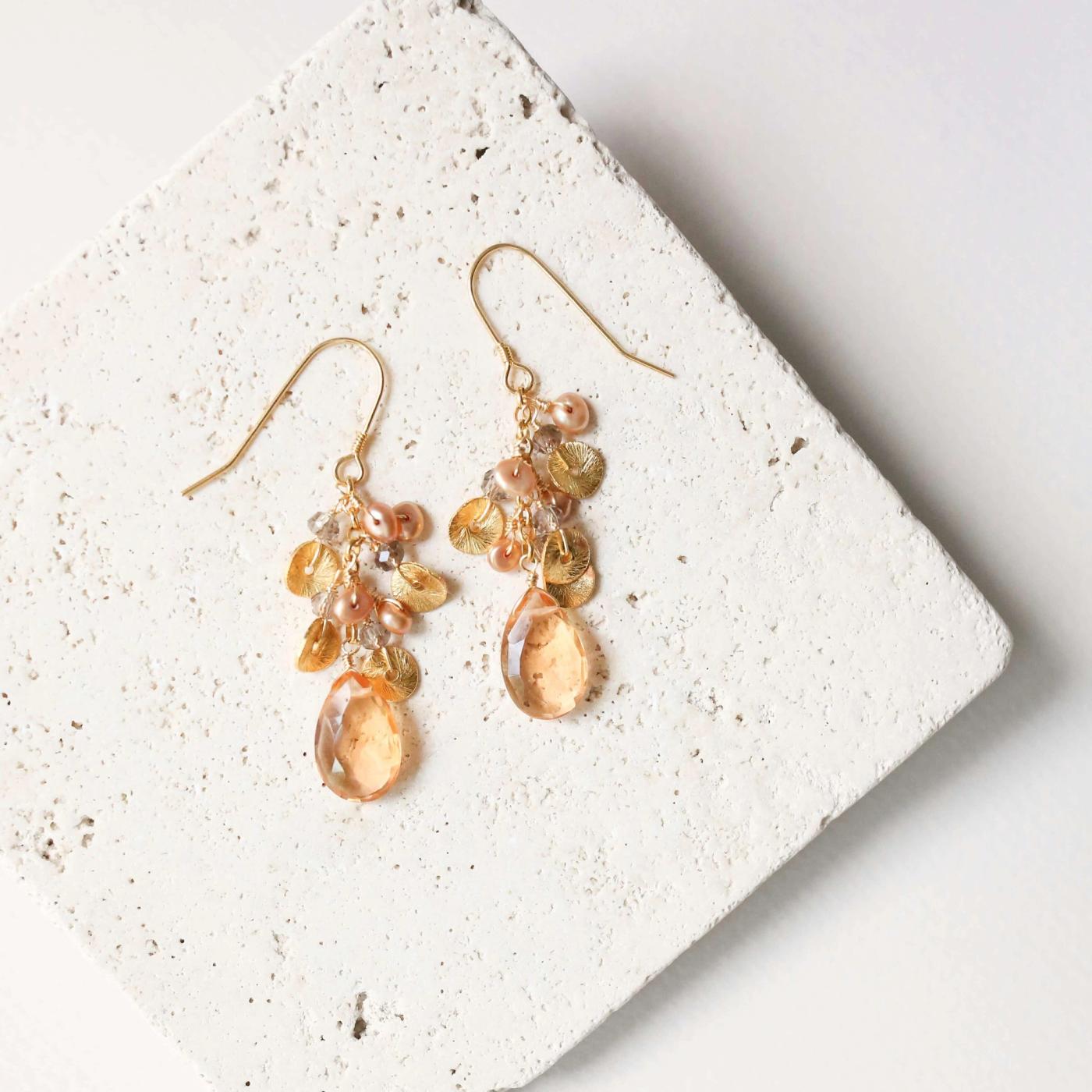
If you're wondering can you wear citrine every day and still want to ease into it, start with pieces that don't take much daily abuse. Necklaces, pendants, and earrings see a fraction of the friction that rings and bracelets do, since they're not getting bumped against surfaces or gripping things all day. That makes them the natural entry point.
A single citrine pendant or a pair of small citrine studs is the easiest place to start. Something like mini citrine everyday earrings is small enough to wear with literally anything and forget about by lunchtime, in the best way.
If you want to layer, there's a simple formula that works: pair a 16-inch citrine pendant with an 18 to 20-inch chain. That leaves about two inches of space between them, so each piece gets its own moment instead of bunching together at the collarbone. A gold citrine necklace works well as the shorter, focal layer in that setup.
And one more thing worth saying plainly: citrine looks genuinely better in gold than in silver. The warmth of the stone plays off gold vermeil in a way that feels rich rather than flashy, which is exactly why you'll see so many of Parken's citrine pieces set that way.
When It's Worth Taking Citrine Off
Daily wear doesn't mean nonstop wear. There are a few specific moments where it's worth taking citrine jewelry off:
- Swimming or any time you're in chlorinated or salt water
- Showering
- Intense workouts where you're sweating heavily
- Cleaning with household chemicals
- Sleeping
None of this is about fragility. It's about wear and tear adding up. Repeated exposure to water and chemicals is what breaks down plating over time, and it can dull a stone's polish faster than normal handling ever would. A quick five seconds to slip a piece off before a workout saves you months of shine down the road.
This isn't a reason to keep citrine jewelry in a box, either. It's a small habit, the kind you do without thinking once it's routine. And for a handmade, made-to-order piece, one that took an actual artisan time and care to produce, it's a pretty small ask in return.
Styling Citrine Into Your Everyday Rotation
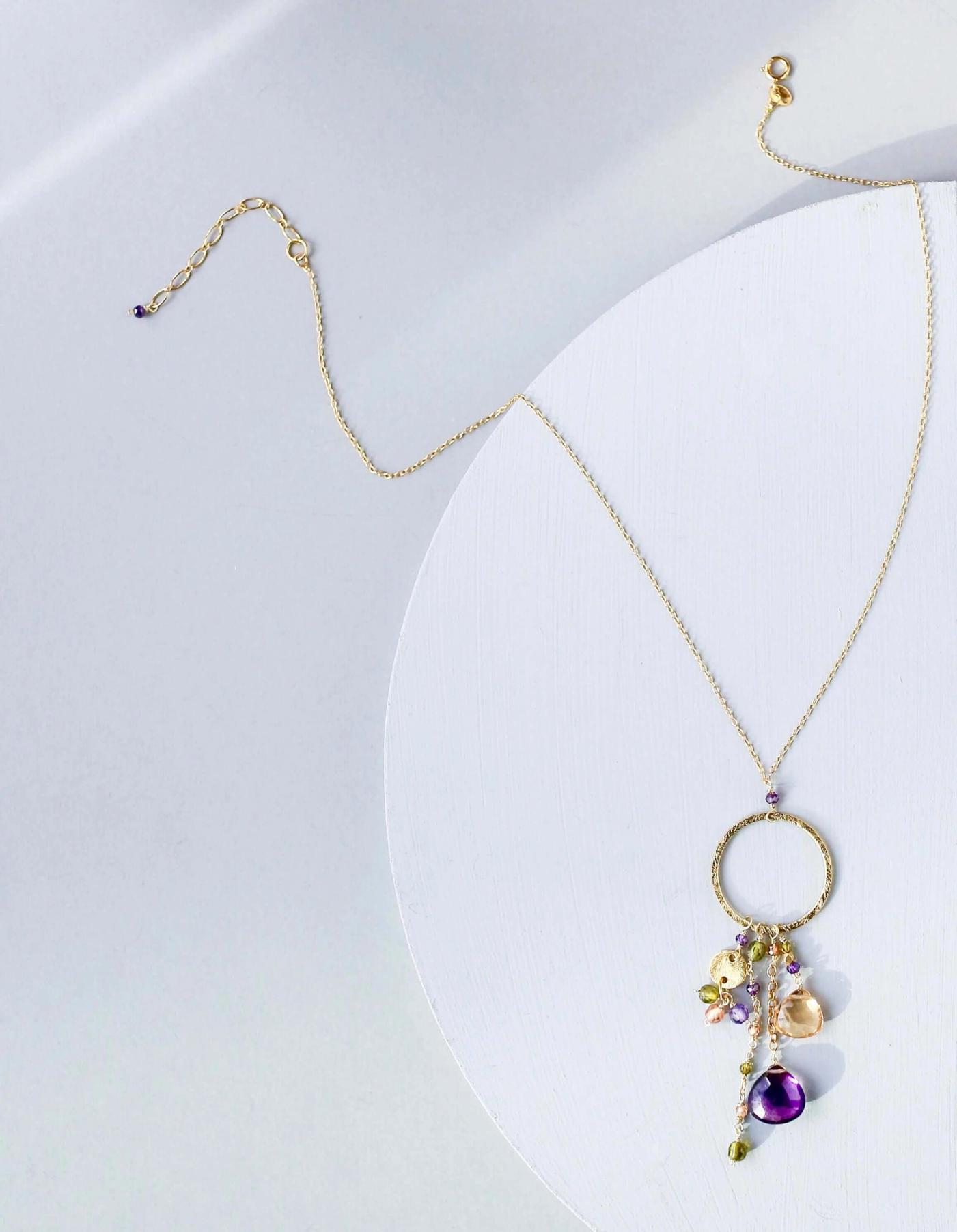
Citrine's warm gold tone is genuinely one of the more flexible colors in a jewelry box. It plays beautifully with neutrals, denim, and the usual fall and winter palette of rust, camel, and olive. But don't box it into "autumn stone" territory: a single citrine piece against all black is one of the easiest ways to warm up a monochrome outfit without adding more color than you want.
For something more layered, pair citrine with smoky quartz or amethyst pieces for a tonal stack that reads jewel-toned without looking costume-y. The warm gold against deeper smoky brown or violet tones feels intentional, not mismatched, and it still reads professional enough for a desk job.
That's citrine's real strength, actually: range. A small stud or a single pendant goes straight from desk to dinner without a second thought. Want more presence for evening? A sparkler style or a small cluster piece from the citrine collection dresses the same color story up without changing the vibe entirely.
One more honest note: natural citrine varies in tone from piece to piece, sometimes pale gold, sometimes deeper amber. That's not inconsistency, it's just what real stone looks like, and it's part of why a citrine piece ends up feeling more personal than a mass-produced one would.
Frequently asked questions
Does citrine fade or lose its color over time?
Most citrine on the market, including the warm golden stones used in jewelry, is quite color stable under normal wear. The main thing that can gradually dull any gemstone's shine is daily buildup from lotion, perfume, and body oils, so a soft wipe after wearing helps it stay bright. Keeping pieces out of direct, prolonged sun exposure (like leaving them on a sunny windowsill) is a simple extra precaution.
Can you shower or swim with citrine jewelry?
We'd recommend taking citrine jewelry off before showering, swimming, or any activity involving chlorine, since repeated water exposure wears down plating faster over time. This matters especially for gold vermeil and rhodium plated pieces, which look their best when kept dry and applied after lotion and perfume. It only takes a few seconds to slip a piece off, and it goes a long way toward keeping it looking new.
Is citrine a good everyday birthstone to wear?
Yes, citrine is the modern birthstone for November and one of the more practical choices for daily wear thanks to its quartz hardness. Its warm, honey-gold color also works well with most everyday outfits, from neutrals to deeper fall tones. Many people choose it for exactly that mix of personal meaning and wearability.
What metal pairs best with citrine for daily wear?
Citrine's warm golden tone is traditionally paired with gold, and that combination tends to look rich without competing with the stone's natural color. Parken's citrine pieces use 14k gold vermeil (gold plating over fine .925 sterling silver), which complements the stone's warmth nicely for everyday styling. Silver settings can work too for a cooler, more contrasted look, it comes down to personal preference.
Does citrine scratch easily?
Citrine sits at about 7 on the Mohs hardness scale, which means it resists everyday scratches from things like keys, fabric, and countertops better than many other decorative stones. It's not as hard as sapphire or diamond, so it's still smart to avoid sharp knocks or storing it loose against harder jewelry. For most daily situations, like wearing a pendant or earrings to work, citrine holds up well.
Make Citrine Part of Your Everyday Jewelry Story
So, can you wear citrine every day? Yes, and it holds up well doing it. Between the Mohs 7 hardness and that warm, go-with-anything color, citrine earns its place as an everyday stone, as long as you give it the basic care any good jewelry deserves: on last, off first, stored gently.
It's also worth remembering citrine's status as the November birthstone, which makes it just as meaningful as a gift as it is as a personal pick for your own everyday stack.
If you're ready to add one in, browse Parken's citrine collection and find the piece that fits how you actually get dressed in the morning. Or if you're not ready to commit yet, join our newsletter and we'll keep you posted on new pieces as they're made. Either way, the best jewelry isn't the kind that stays in a box. It's the kind that becomes part of how people picture you.


Leave a comment