Cart
Your cart is empty
Looks like you haven’t added anything yet, browse new arrivals below!
Continue Shopping
Looks like you haven’t added anything yet, browse new arrivals below!
Continue Shopping
Yes, you can wear gemstone jewelry every day if the stone, setting and metal suit your routine. Quartz and sapphire resist scratches better than pearls, but no gemstone necklace, bracelet or pair of earrings is immune to knocks, moisture or worn settings. Take jewelry off before swimming, cleaning or activities that put it at risk of impact.
Yes. The useful question is which piece can handle your day? Compare the stone first, then check how it is set and where you plan to wear it. The Mohs scale measures resistance to scratching, not whether a stone can survive a drop or a loose setting.
| Stone or material | Mohs hardness | Everyday-wear verdict | Main limitation |
|---|---|---|---|
| Sapphire | 9 | A strong choice when scratch resistance matters | A hard knock can still damage the stone or its setting |
| Quartz, including rose quartz and amethyst | 7 | Suitable for regular wear with ordinary care | Avoid impacts and contact with harder materials |
| Pearl | About 2.5–4.5 | Better for days when you can keep it away from friction and products | Its surface scratches and reacts to chemicals more readily |
These figures describe the materials, not a durability rating for a finished piece of jewelry. A secure setting and an intact clasp matter just as much. Water exposure is a separate decision: the guide to showering with gold-filled jewelry addresses the metal, while this page covers the gemstones and the complete piece.
A necklace worn over a shirt faces a different day from a bracelet beside a desk or a ring gripping a bag handle. That difference matters more than calling every gemstone piece either durable or delicate. In 2026, the practical test is still the same: look at the stone, the setting and the contact it gets during your day.
Parken Jewelry makes handmade minimalist gemstone necklaces, bracelets and earrings. If you are choosing one for yourself or as a gift, think about where the recipient will wear it. A piece for everyday outfits does not need to stay on through every shower, workout or cleaning task to count as everyday jewelry.
Everyday wear means frequent wear with sensible removal, not wearing the same piece without interruption. That distinction protects the stone and gives you a more useful way to choose between styles.
Harder stones generally resist surface scratches better than softer ones. On the Mohs scale, sapphire rates 9 and quartz rates 7; pearl sits much lower, at about 2.5–4.5. Those numbers help you compare scratch resistance, but they cannot tell you whether a pendant will catch on clothing or an earring setting will loosen.
For 2026, quartz is the simpler everyday choice than pearl if your main concern is scratching. Choose pearl because you want to wear pearl, not because you expect it to tolerate the same treatment as quartz.
A gemstone can look sound while the parts holding or supporting it need attention. Before making a piece part of your regular rotation, check these three things:
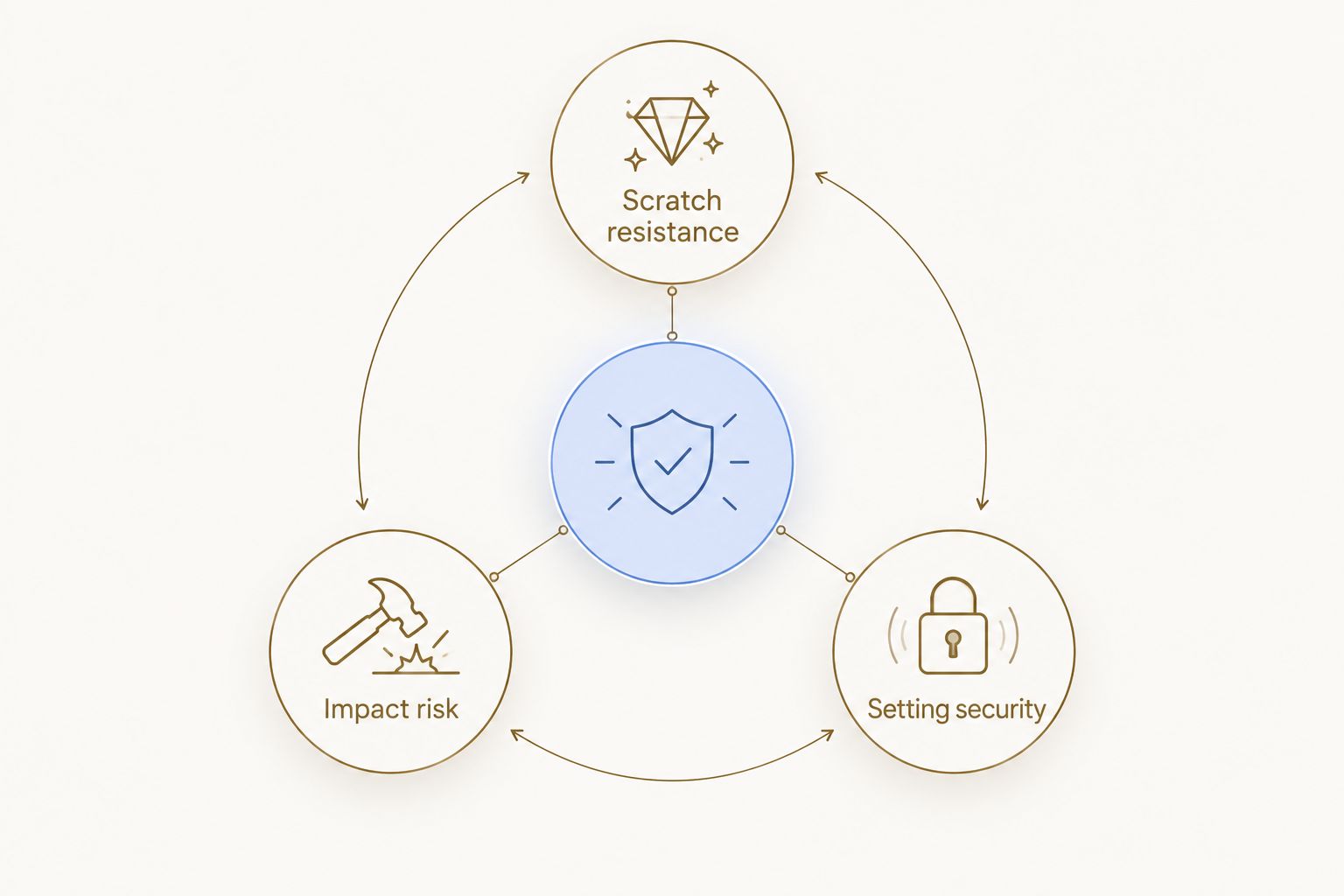
The right choice depends on all three checks, not the stone name alone. A small stone in an insecure setting is not a safer daily choice than a larger stone held securely. Likewise, a secure setting cannot prevent every scratch to a softer gem.
Yes. Where you wear a gemstone changes what it touches. Use that contact as your guide rather than assuming every piece with the same stone needs the same routine.
| Jewelry type | Best for | Everyday advantage | Everyday drawback |
|---|---|---|---|
| Gemstone necklace | A piece you can remove before washing or exercise | It can sit away from frequent hand contact | Chains can catch, and pendants can strike hard surfaces |
| Gemstone earrings | Days when you want a stone without wrist contact | They avoid the friction a bracelet gets at a desk | Backs and settings need checking; dangling styles can catch |
| Gemstone bracelet | A stone you want to see throughout the day | Easy to pair with an everyday outfit | It gets more contact with desks, sleeves and bags |
A necklace is often the easiest place to start if you want a gemstone in your regular rotation, provided its chain and clasp suit your routine. An earring avoids some of the bumps a bracelet takes, but that is not a reason to ignore its backing. For desk-heavy days, give a gemstone bracelet the closest inspection for rubbing and knocks.
Parken Jewelry gemstone jewelry includes all three forms, so choose by what you actually wear. A gift recipient who rarely wears bracelets is better served by a familiar jewelry type than by a gemstone selected solely for its hardness.
Make removal part of the routine. It is easier to keep chemicals and hard knocks away from a piece than to correct damage afterward.
In 2026, the simplest care rule remains remove first, clean gently, store separately. It asks less of you than trying to wear every piece through every part of the day.
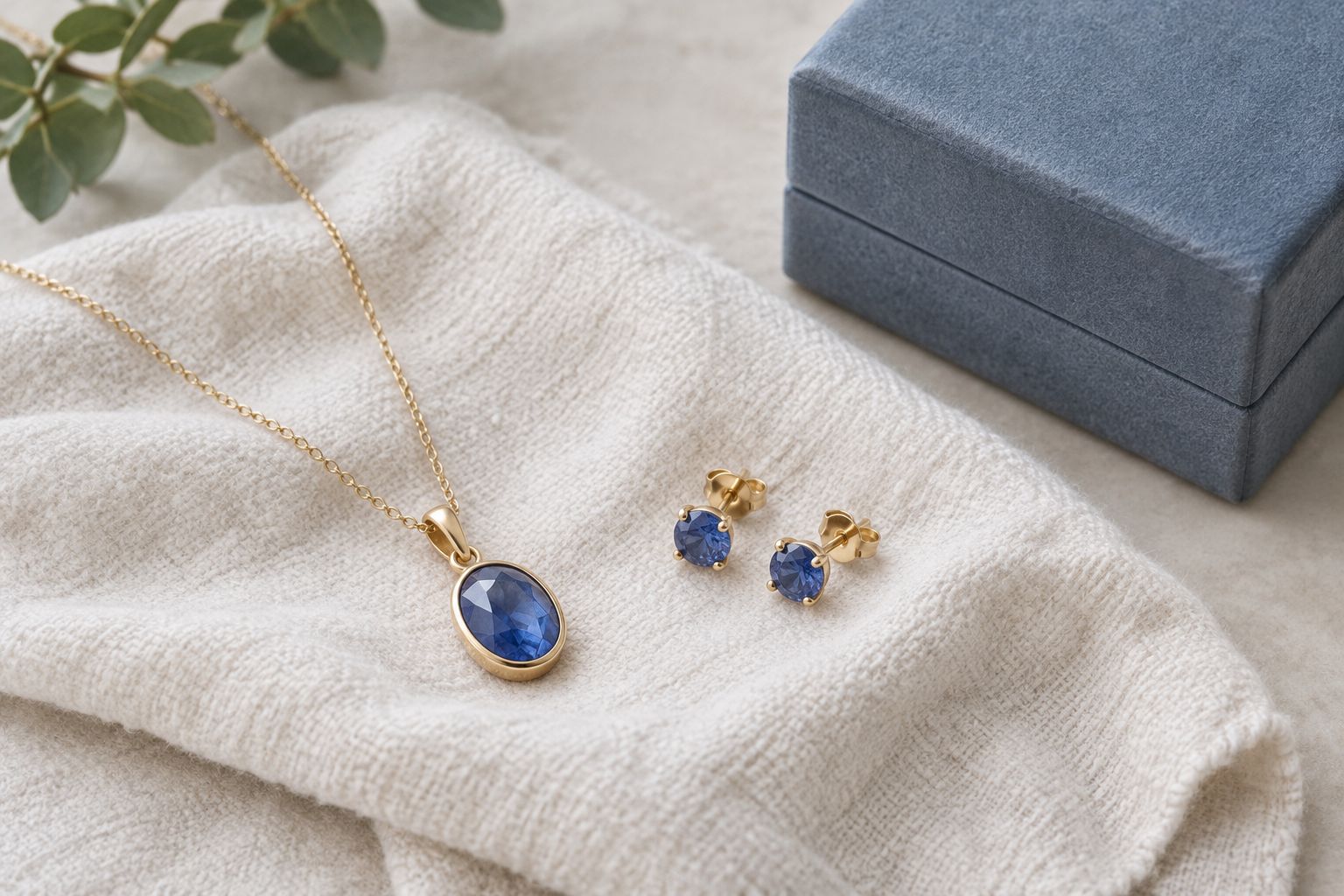
A dry cloth is a starting point for light residue, not permission to scrub a delicate surface. If a stone looks damaged or a setting feels loose, pause wear and have the piece assessed instead of trying to polish the problem away.
Parken Jewelry is best for women who want handmade minimalist gemstone jewelry for regular outfits or a personal gift. Start with a form you already wear, then decide how much care its stone and metal finish need. None of the choices below is a leave-it-on-for-everything piece.
| Piece | Best for | What works for regular wear | What to watch |
|---|---|---|---|
| Black Spinel Gemstone Mini Sparkler Necklace | A delicate gemstone chain | Its product description identifies black spinel gemstones | The described gold-plated sterling silver finish and fine chain call for careful handling |
| Rose Quartz Gemstone Mini Sparkler Necklace | Someone who wants a pink gemstone chain | Rose quartz has the scratch resistance of quartz | Its described gold-plated sterling silver finish still needs care; avoid impacts |
The two necklaces answer different style preferences, not different promises about permanent wear. Their product descriptions identify gold-plated sterling silver, so do not treat either as gold-filled simply because both have a gold appearance. Check the materials of any piece you choose rather than assuming all gold-colored jewelry is made alike.


For a gift in 2026, ask one useful question before choosing a stone: does she wear necklaces, earrings or bracelets most often? A familiar form has a better chance of joining her regular rotation. Let color and meaning guide the choice after that practical check.
The clearest answer for 2026 is not a list of gems you can wear without thinking. It is a routine that lets you enjoy a piece often while noticing when it needs to come off.
Take gemstone jewelry off before bed. Removing it limits the chance of chains catching, earrings pressing against you or settings taking an unnoticed knock. Store each piece separately so it does not rub against another.
Remove a gemstone necklace before showering. The stone, chain and finish can have different care needs; showering exposes the complete piece to water and personal-care products. Regular daytime wear does not require wearing it in the shower.
Pearls can be worn often, but they need a gentler routine than quartz. At about 2.5–4.5 on the Mohs scale, pearl scratches more easily than quartz at 7. Put pearls on after cosmetics and keep them away from cleaning products and friction.
Can you wear gemstone jewelry every day?
Yes, you can wear gemstone jewelry every day if the stone, setting and metal suit your routine. Remove it before swimming, cleaning or activities that risk a hard knock.
What gemstone is good for everyday jewelry?
Quartz is a practical choice for regular wear when you want better scratch resistance than pearl. Its Mohs hardness is 7, but its setting still needs checking and the stone still needs protection from impacts.
Is quartz better than pearl for everyday wear?
Quartz is better than pearl when scratch resistance is the priority. Quartz rates 7 on the Mohs scale, while pearl rates about 2.5–4.5; choose pearl when you can give it a gentler routine.
Can I wear gemstone earrings every day?
Yes, gemstone earrings can be part of an everyday rotation. Check their backs and settings, and remove them when they are likely to catch or take a knock.
Should I take gemstone jewelry off before swimming?
Yes, take gemstone jewelry off before swimming. The complete piece includes a stone, setting and metal components, so protect it from unnecessary water and chemical exposure.
Does a high Mohs hardness mean a gemstone cannot break?
No, Mohs hardness measures scratch resistance, not protection from every impact. A hard stone can still be damaged by a sharp blow or held by a loose setting.
How do I clean gemstone jewelry I wear regularly?
Start by wiping light residue with a soft, dry cloth and storing pieces separately. Confirm the gemstone and metal finish before using a liquid cleaner, and ask a qualified jeweler about a damaged setting.
The gemstone is only one part of what you wear. Before choosing a daily piece, check the clasp or backing and picture the moment you will take it off. A piece you remember to remove before cleaning is a better everyday choice than one you intend never to remove.

Subscribe to our email list to get early access to new arrivals and exclusive offers.
Leave a comment