Cart
Your cart is empty
Looks like you haven’t added anything yet, browse new arrivals below!
Continue Shopping
Looks like you haven’t added anything yet, browse new arrivals below!
Continue Shopping
Pearls have a quiet kind of shine that most gemstones can't fake, which is exactly why they need a different kind of care. If you've searched how to clean pearl jewelry before, you've probably noticed most of the advice online is either too vague or written for diamonds and crystal beads, not pearls. This guide is just for pearls: what to do, what to skip, and why a soft cloth beats almost anything else in your cabinet.
Pearls aren't minerals. They're organic, grown inside a living mollusk, layer by layer, which makes them softer and more porous than quartz or crystal stones. A labradorite pendant can shrug off a lot. A pearl can't.
The freshwater pearls used across Parken's pearl pieces have a nacre surface, that soft luminous coating built up in thin layers over time. Scrub it, soak it, or expose it to the wrong chemicals, and that layer thins out. The luster goes with it, and it doesn't come back.
So set your expectations here: this is about gentle upkeep, not polishing. You're not buffing out tarnish like you would on a silver chain. You're protecting a delicate surface that's already naturally beautiful, and just needs a little help staying that way.
Most pearl damage happens before the jewelry even gets dirty, it happens from what touches it while you're getting ready. Perfume, hairspray, lotion, and sunscreen are the biggest offenders. Spray your hair, then put on your pearl earrings, and you've just coated them in chemicals built to evaporate and cling to everything nearby, pearls included.
Water is its own problem. Chlorine, pool water, hot tubs, even a regular shower, all of it chips away at nacre over time through repeated exposure to moisture and chemicals. It's not that one swim will ruin a pearl necklace. It's that habitual exposure adds up fast.
Here's one that surprises people: ultrasonic jewelry cleaners and steam cleaners, the ones that work beautifully on diamonds and sapphires, are genuinely unsafe for pearls. The vibration and heat can crack nacre or loosen the drill holes where pearls are strung.
And skip anything from under the sink. Household cleaners, vinegar, baking soda: all too acidic or abrasive for a pearl's surface, even in small amounts. If a cleaning method sounds like it belongs in a kitchen, it doesn't belong on your pearls.
This is the part people overthink. Cleaning pearl jewelry at home is genuinely simple, as long as you stick to soft and dry over anything aggressive.
Step 1: Wipe pearls down with a soft, slightly damp microfiber or cotton cloth after every wear. This single habit removes the oils, lotion residue, and invisible grime that build up on a pearl's surface before they get the chance to sit there and do damage.
Step 2: For a deeper clean, once every few weeks or so, mix one drop of mild, chemical-free soap into lukewarm water. Dab a soft cloth into it and gently wipe the pearls. Never submerge or soak them. Pearls are drilled straight through, and soaking pushes moisture into that hole where it can sit against the stringing thread.
Step 3: Lay the piece flat on a clean towel and let it air dry completely before putting it away. Don't rush this step. A pearl that goes into a jewelry box even slightly damp is a pearl that's working against itself.
One more thing specific to Parken pieces: if you're cleaning a pearl set in gold vermeil or rhodium-plated metal, keep your cloth away from the clasp or setting if it's been exposed to lotion or perfume residue. Gently buff that area dry too, since plating holds onto moisture and product buildup just like the pearl does. You can browse how these settings look across the pearl jewelry collection if you want a sense of what you're working with.
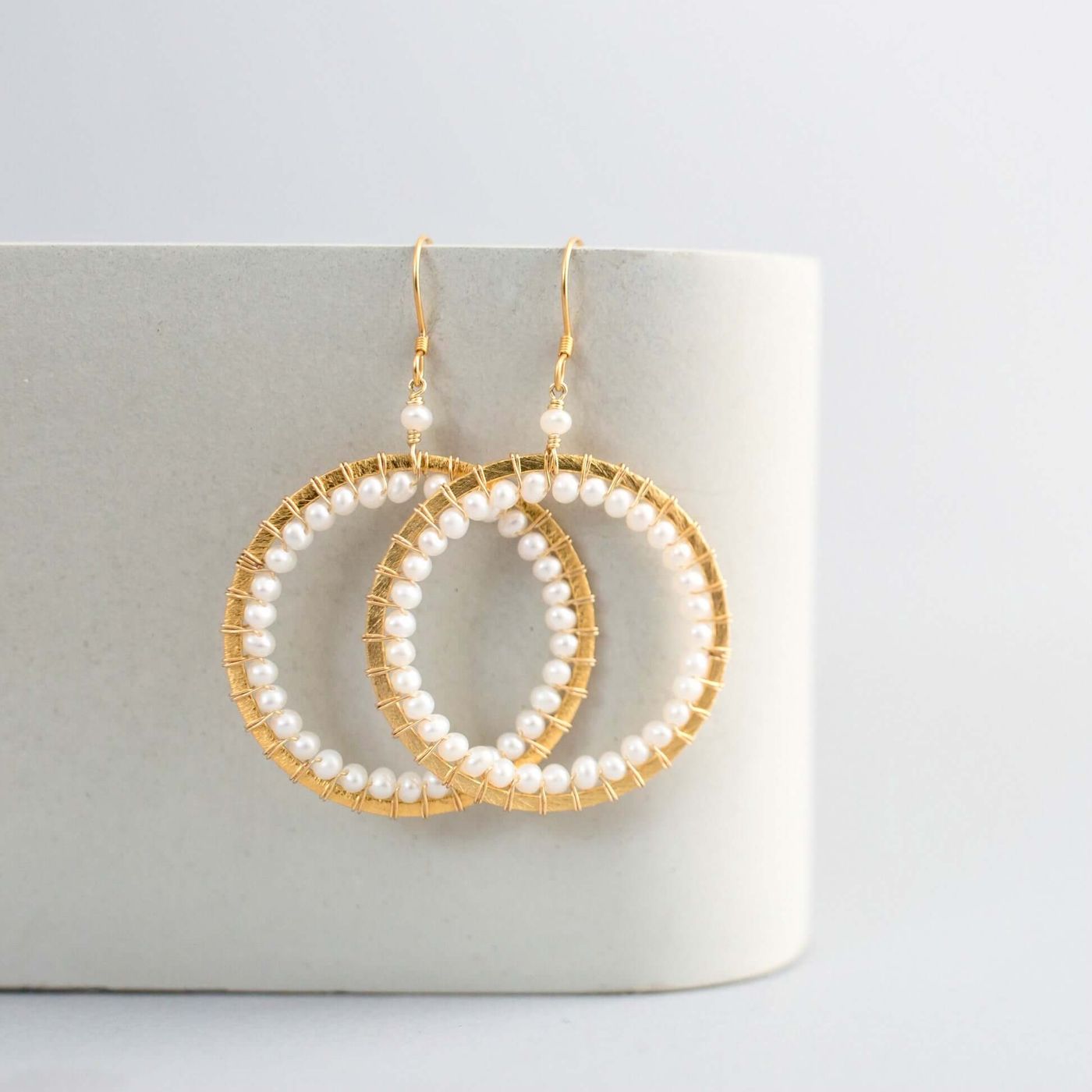
Not all pearl pieces wear the same way, so they don't all need identical attention.
Pearl necklaces and strands take on wear differently than earrings or bracelets, mostly because of the thread they're strung on. Worn often over several years, that thread can stretch or weaken, so it's worth checking periodically for looseness between pearls. If you wear a pearl necklace nearly every day, this is worth a quick check every few months, not years.
Pearl earrings and studs sit right up against skin and hair, which means they're catching perfume, hairspray, and natural oils constantly. A quick wipe of the pearl itself after each wear matters more here than almost anywhere else on the body. Browse pearl earrings and you'll notice most sit close to the earlobe, which is exactly why that habit counts.
Pearl bracelets probably take the most daily abuse of all three. Hand washing, lotion application, typing at a desk, it's all friction and moisture, repeated constantly. A fast wipe-down after wear goes a long way here.
A simple rule covers all three: put pearl jewelry on last, after makeup, perfume, and hairspray are done, and take it off first, before you wash your hands or head to the gym. It sounds small. It's the single habit that prevents most of the damage in the first place.
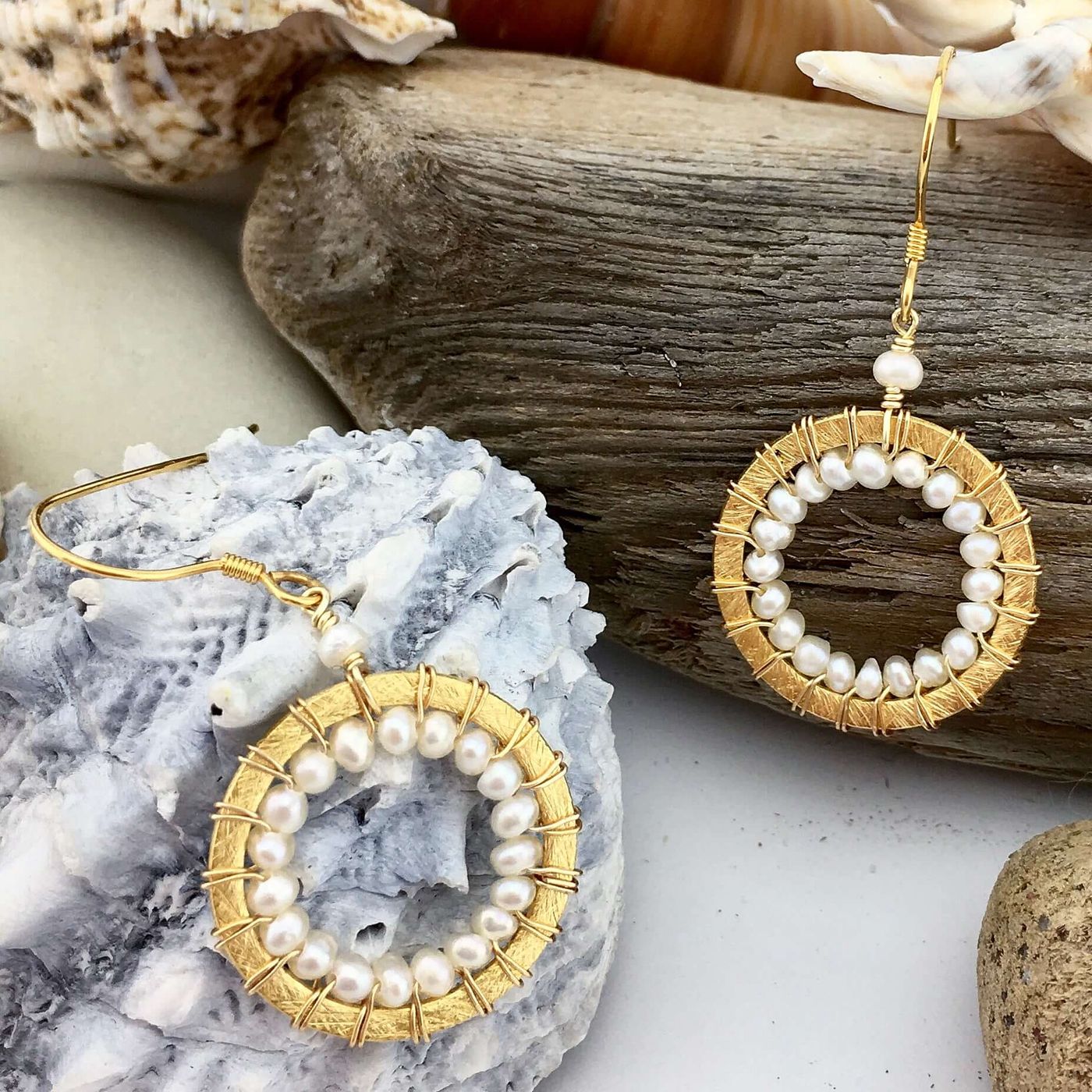
Store pearls on their own, away from other jewelry, in a soft pouch or a lined compartment. Harder gemstones and sharp metal edges can scratch nacre without much effort at all, and pearls are one of the few materials in your jewelry box that are actually softer than the box itself.
Keep them out of direct sunlight too, and away from very dry air. Both will dehydrate a pearl over time and dull its surface, slowly, in a way you won't notice until it's already happened.
Here's the part that surprises people: don't store pearls away for years at a time. Wearing them occasionally actually helps. The natural oils from your skin keep the nacre conditioned, so a pearl piece that gets worn now and then often looks better over time than one sealed away "for safekeeping."
Some signs mean it's time to call in a professional rather than handle it yourself. Visible dullness that doesn't respond to a gentle home cleaning. A strand that looks stretched, or pearls that seem to have yellowed. A pearl that feels loose or shifts position on its necklace.
Restringing is not a DIY project. Pearls should be individually knotted between each one, so that if the thread ever breaks, you lose one pearl instead of the whole strand. That's a job for a professional jeweler with the right tools and experience, not a home fix.
Made-to-order, handcrafted pearl pieces are built to be worn and enjoyed for years, not tucked away like something too fragile to touch. With the right care, they hold up to real, regular wear.
Plain water on a soft cloth is fine for a quick wipe, but it won't remove oils or residue as well as a tiny bit of mild soap. Always dab rather than soak, since pearls are porous and their drilled holes can hold trapped moisture. Let them air dry fully before you put them away or wear them again.
No, skip toothpaste, baking soda, and any gritty or acidic household product on pearls. These are too abrasive for the soft, layered nacre surface and can dull or scratch it permanently. Stick to a soft cloth and a drop of mild, chemical-free soap in lukewarm water instead.
A soft wipe after every wear is the real habit that keeps pearls looking their best, since it removes the oils, lotion, and perfume residue that build up on the surface. A slightly deeper clean with mild soap and water is only needed occasionally, maybe once every few weeks for pieces worn often. There is no need for a strict schedule beyond that.
We recommend taking pearl jewelry off before showering, swimming, or getting into a hot tub. Chlorine and prolonged water exposure can weaken the nacre and the thread a necklace is strung on over time. Pearls are meant to be worn and enjoyed daily, just not through water-heavy activities.
Dulling is usually from everyday contact with hair products, perfume, and skin oils building up on the surface rather than a defect in the pearl itself. A gentle wipe with a soft, slightly damp cloth after each wear usually brings the shine back. If dullness persists after regular care, a jeweler can take a closer look rather than reaching for harsher cleaning methods at home.
The whole routine really comes down to three habits: wipe pearls after every wear, give them a mild soap cleaning every so often, and store them separately, fully dry. That's it. That's most of how to clean pearl jewelry well, and the rest is just avoiding a short list of things that don't belong near them.
If you're shopping for a new piece or just want to see what these care habits are protecting, take a look at the pearl collection for necklaces, earrings, and bracelets built around the same soft, layered nacre we've been talking about this whole time. And if you'd like a few more jewelry care tips like these sent your way, join the newsletter and we'll keep them coming.
A few minutes of care, every so often, is really all it takes. Do that, and a pearl piece can look just as good years from now as it did the day it arrived.

Subscribe to our email list to get early access to new arrivals and exclusive offers.
Leave a comment