Cart
Your cart is empty
Looks like you haven’t added anything yet, browse new arrivals below!
Continue Shopping
Looks like you haven’t added anything yet, browse new arrivals below!
Continue Shopping
Most of us learned to clean jewelry the way our mothers or grandmothers did: a little toothbrush, some soap, maybe a splash of vinegar for the really stubborn tarnish. That works fine on solid gold. It does not work fine on plated jewelry or softer gemstones, and it's the fastest way to turn a piece you love into one that looks tired after a year. If you're wondering how to clean gemstone jewelry at home without wearing it down, the short answer is: more gently and less often than you'd think.
Here's the thing most cleaning advice online skips over. Most everyday gemstone jewelry, including ours at Parken, isn't solid metal all the way through. It's gold vermeil (14k gold plated over .925 sterling silver) or rhodium plated over .925 silver. That plating is thin by design, it's what makes fine-jewelry craftsmanship affordable, but it also means anything abrasive wears it down faster than it would on a solid gold band.
Then there's the stone itself. Natural gemstones and freshwater pearls aren't uniform in hardness or porosity. A labradorite pendant can handle a bit more contact with water than, say, a softer opal quartz piece or a pearl, which is organic and genuinely delicate. Treat every stone the same and you'll eventually dull the ones that needed the lightest touch.
So set your expectations here: this isn't about one deep clean every few months. It's about a few gentle habits, repeated often, that keep plated pieces and natural stones looking new for years instead of months.
The good news is you probably already own most of this. A soft microfiber or lint-free cloth. Lukewarm water, never hot. A single drop of mild, unscented dish soap. And a very soft-bristled brush, a clean baby toothbrush is ideal.
That's genuinely it. What you don't need, and shouldn't reach for, is anything stronger. Ultrasonic cleaners, steam cleaners, jewelry dip solutions, baking soda pastes, even an old toothbrush with stiff bristles: all of it is too aggressive for plated metal or softer stones. These tools are made for solid, hardy jewelry, not the delicate layering pieces most of us actually wear daily.
One small practical note: do this over a towel or a shallow bowl, never over an open drain. Clasps are tiny. You will only make that mistake once.
Start simple. Wipe the piece with a dry microfiber cloth first, before any water touches it. This alone removes the surface oils, lotion residue, and daily grime that dull a piece faster than almost anything else.
If that's not enough, mix one drop of mild soap into a small bowl of lukewarm water. Dip your soft brush in and gently sweep around the setting and the stone itself, not scrubbing the plated metal directly. The goal is to lift debris out of the crevices around a bezel or prong, not to buff the surface.
Rinse briefly under lukewarm water. Don't soak it. Pat it dry immediately with a soft cloth, then let it air dry completely before putting it away.
That last point matters more than people realize: never soak plated jewelry, and never use hot water. Prolonged water exposure is one of the fastest ways to wear plating thin, even faster than everyday wear. A thirty-second rinse is fine. A bath in the sink is not.
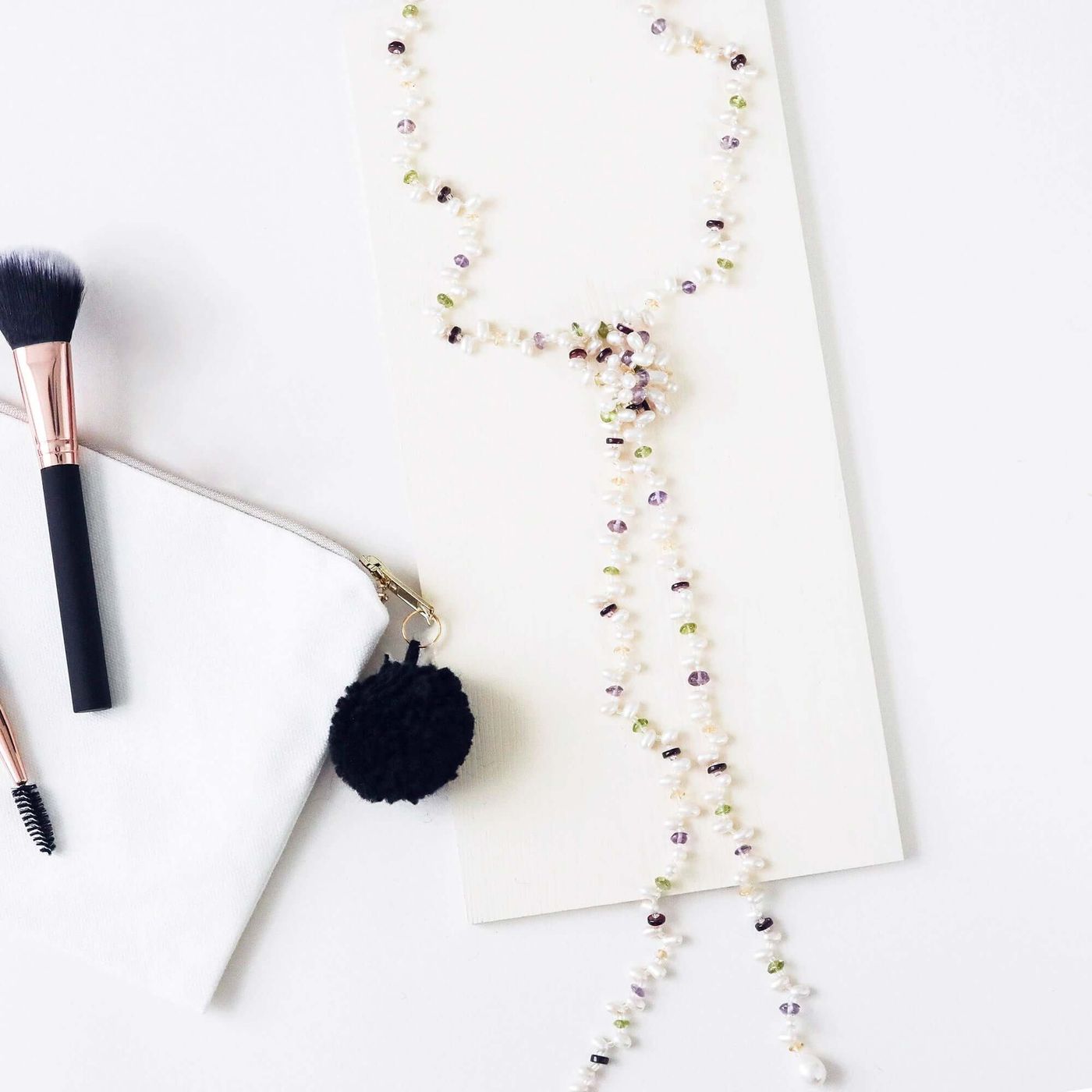
Pearls play by different rules entirely. They're organic, not mineral, and genuinely softer than most gemstones in a jewelry box. The rule here is simple: wipe them with a dry, soft cloth after every wear instead of washing them. If you need a bit more than dry, lightly dampen the cloth, nothing more.
The same caution applies to porous or softer stones like opal quartz, rose quartz, and some chalcedony pieces. These do best with a dry wipe-down rather than soap and water, full stop. Soap can settle into their surface in a way it doesn't with a denser stone like labradorite or garnet.
If you wear pearl pieces often, build one habit into your routine: put pearls and delicate stones on last, after perfume, lotion, and hairspray, not before. Those products are what dull a pearl's luster fastest, and there's no cleaning method that fully undoes it once it happens.
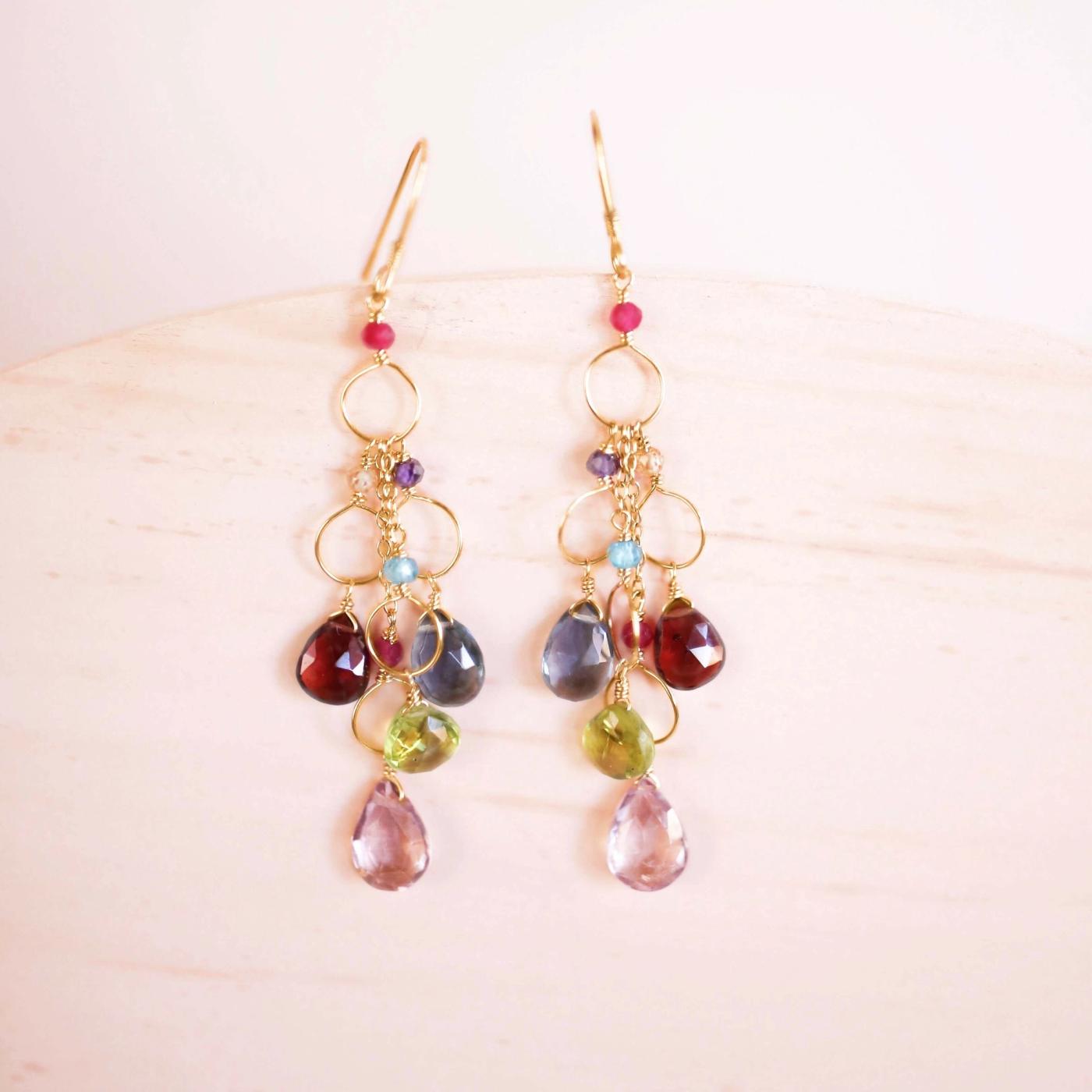
A few habits cause more damage than any cleaning mistake ever could. Swimming or showering in jewelry. Spraying perfume or hairspray directly onto a piece instead of letting it dry first. Sleeping in necklaces or rings. Tossing pieces loose into a bag or a drawer where they tangle and scratch each other.
Chlorine, saltwater, and lotions are particularly harsh on plated metal. They don't just dull it, they accelerate tarnish and fading in a way that's hard to reverse. So let's be plain about it: no Parken piece is marketed as waterproof or shower-safe, and that's true of most gold vermeil and plated jewelry generally, not just ours. Plating simply lasts longest when it's kept away from water and chemicals as a rule, not an occasional exception.
If you're ever unsure whether a specific stone or finish can handle a splash, our FAQ page covers the most common care questions we get.
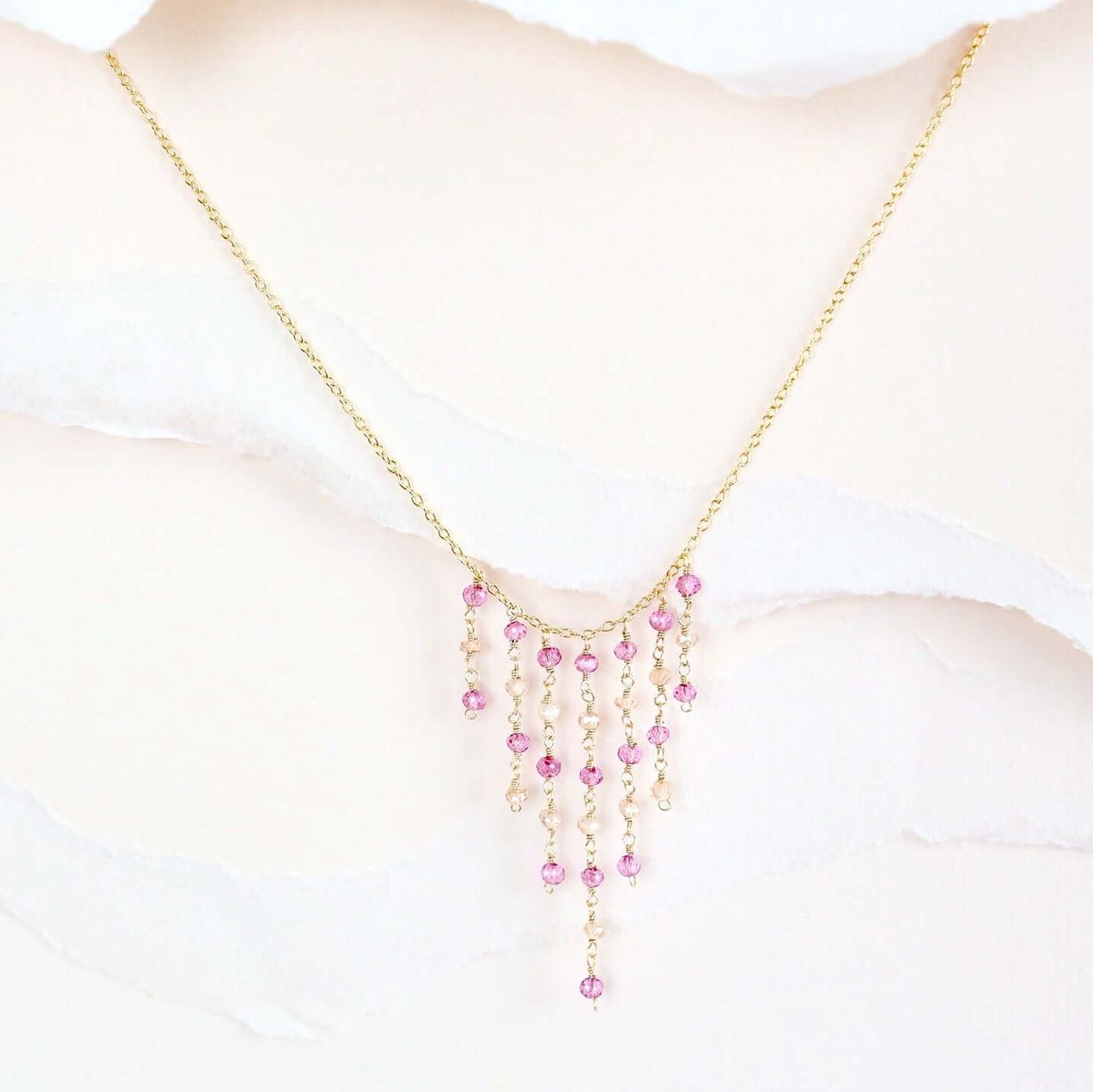
How you store jewelry matters almost as much as how you clean it. Store each piece separately, in a soft pouch or a lined jewelry box compartment, rather than piled together. This prevents scratching and keeps layered necklace sets from tangling into a knot you'll be undoing for ten minutes.
Keep jewelry away from direct sunlight and humidity. That means off the bathroom counter and away from the windowsill, both tempting spots because they're convenient, both bad for plating and stones over time.
If you wear layering chains, clasp each one closed before you put it away, or hang them separately. An open clasp tossed in a drawer is basically an invitation for every chain in there to tangle together.
Some problems aren't cleaning problems. A loose stone, a chain that's stretched or kinked, plating that's visibly flaking rather than just looking a bit dull: these are signs to stop and ask, not signs to scrub harder.
If something looks off with a specific piece, reach out through our contact page rather than guessing with a stronger cleaner or a DIY fix you found online. It's a quick message, and it beats risking a piece that might mean more to you than its price tag suggests, a gift from someone, a milestone purchase, that kind of thing.
Gentle, consistent care is what protects both the investment and the sentimental value. It's rarely the one deep clean that saves a piece. It's the small habits in between.
We don't recommend it. Toothpaste contains mild abrasives that can scratch soft gemstones and wear down plated gold or rhodium finishes over time. A soft cloth with a little mild soap and lukewarm water is a much safer bet.
No, we'd skip both. Vinegar and baking soda are too harsh for gold vermeil (14k gold plated over sterling silver) and can strip or dull the plating much faster than normal wear would. Stick to a soft cloth and, if needed, a tiny bit of mild dish soap in lukewarm water.
A quick wipe with a soft cloth after each wear is the easiest habit, and it does most of the work. A gentler soap-and-water clean every few weeks (for sturdier stones only, not pearls or porous stones) is usually plenty for pieces worn often.
This is most common with plated jewelry that's been exposed to water, lotion, perfume, or chlorine, since these all wear down plating faster. Gold vermeil and rhodium-plated pieces are designed to be tarnish resistant, but they still need to be put on after beauty products, not before, and kept dry.
Gentle at-home care is usually enough for everyday plated gemstone jewelry, and we'd always choose a soft cloth over an ultrasonic or steam cleaner, which can be too harsh for plating and natural stones. If a piece has a loose stone or damaged clasp, that's a repair question rather than a cleaning one, so reach out to us directly instead of trying a stronger method at home.
The routine, in full, is simple: wipe after every wear, clean sturdier stones occasionally with mild soap and water, stick to a dry cloth only for pearls and delicate stones, and store everything separately. None of it takes more than a few minutes, and it's the difference between jewelry that looks new in year three and jewelry that doesn't.
If you're building out a collection worth taking care of, take a look through our full collection for pieces designed to be worn daily and layered often. And if you'd like more care tips like these, along with styling ideas as new pieces come in, join our newsletter, it's where we share the small stuff that doesn't always make it onto the product page.
Jewelry is a daily signature. A few minutes of care now and then is a small price for something you put on every morning without thinking twice.

Subscribe to our email list to get early access to new arrivals and exclusive offers.
Leave a comment