Cart
Your cart is empty
Looks like you haven’t added anything yet, browse new arrivals below!
Continue Shopping
Looks like you haven’t added anything yet, browse new arrivals below!
Continue Shopping
Pearls are the one piece in your jewelry box that didn't start out as a rock. They grew, slowly, inside a freshwater mussel, which is exactly why they behave so differently from the amethyst or garnet pieces sitting next to them in your drawer. Knowing how to care for freshwater pearl jewelry isn't complicated, but it does mean unlearning a few habits that work fine on harder stones and would quietly wreck a pearl over a year or two. The good news: the actual routine takes about thirty seconds a day.
Every gemstone in your collection formed differently, but pearls are in a category of their own. Amethyst, citrine, quartz: those are mineral crystals, grown underground over thousands of years. A pearl is organic. It's built in thin, soft layers of nacre inside a living mussel, which is also why no two are perfectly round or perfectly matched (that's the charm, not a flaw).
That soft, layered structure matters because it's genuinely delicate. Pearls sit around 2.5 to 4.5 on the Mohs hardness scale. Quartz, by comparison, is a 7. That gap is the whole story: a pearl can get scratched by a key in your pocket or etched by something as ordinary as hairspray, long before a harder stone would notice.
There's a second layer to this, literally. Parken's pearl pieces are set in 14k gold vermeil or rhodium plated .925 silver, so you're caring for two delicate materials at once: the pearl itself and the plating underneath. Both prefer to stay away from water, lotion, and perfume. Neither needs a special cleaner or a trip to a jeweler every month. What they need is consistency, a few small daily habits done the same way every time, which does more for a pearl's luster over the years than any product ever will.
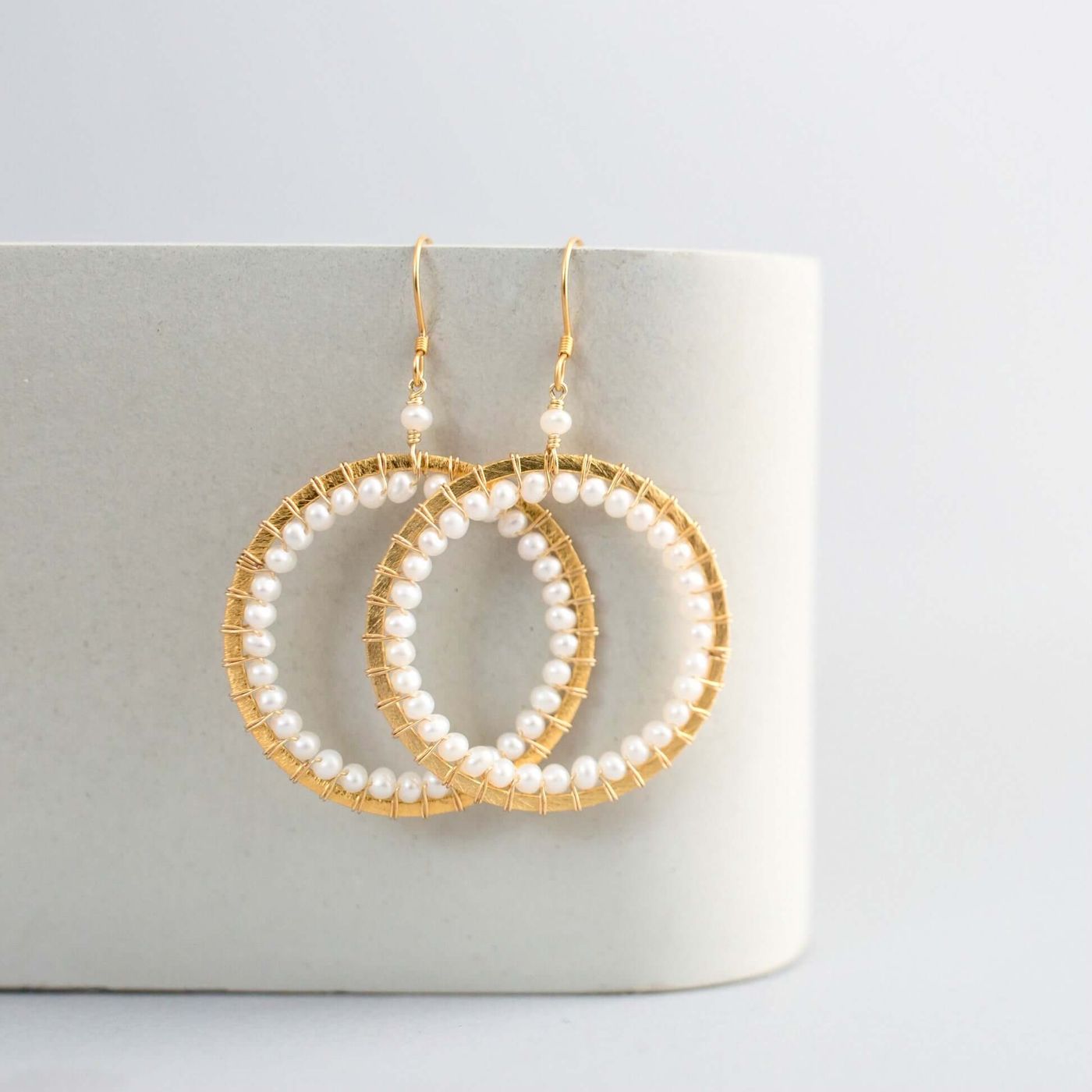
Here's the order that protects a pearl: perfume first, then hairspray, then lotion, then makeup. Pearls go on last, right before you walk out the door. When you get home, it works in reverse. Pearls come off before you wash your hands, shower, or reach for night cream.
It feels fussy the first few times. It isn't, really, once it's a habit.
The reason comes down to chemistry. Nacre is porous, and the alcohol in perfume or the acids in lotion can seep into it, drying it out and dulling that soft glow pearls are known for. Over months, that buildup is what turns a lustrous pearl chalky. It's not dramatic damage from one night out. It's slow, and it adds up.
One more habit worth building in: give your pearls a quick wipe with a soft, dry cloth after each wear. Body oils and sweat sit on the surface all day, and wiping them off before you put the piece away keeps that residue from settling in overnight.
The actual cleaning method is almost suspiciously simple. Take a soft, lint-free cloth, dampen it lightly with plain water, and wipe gently along the surface of the pearl. Then dry it immediately with a second, dry cloth. That's it. No soap, no polish, no fifteen-minute soak.
What you want to avoid is just as important as what you do. Skip ultrasonic cleaners and steam cleaners entirely: the vibration and heat that work fine on diamonds can strip nacre right off a pearl, and they can loosen the glue or silk knots holding each one in place. Jewelry dip solutions are off the table too, for the same reason.
Don't soak pearls, and don't submerge the piece, even briefly. Every pearl has a tiny drill hole where it's strung, and water that works its way in there can weaken the string or the setting from the inside, where you won't see it happening until the piece fails.
This is really the whole routine, not a first step before something more intense. Plated metal and natural pearls both last longest when they're kept away from water, lotion, perfume, and chlorine, full stop. Gentle wiping after wear is the maintenance. There isn't a deeper clean waiting in the wings, and that's by design.
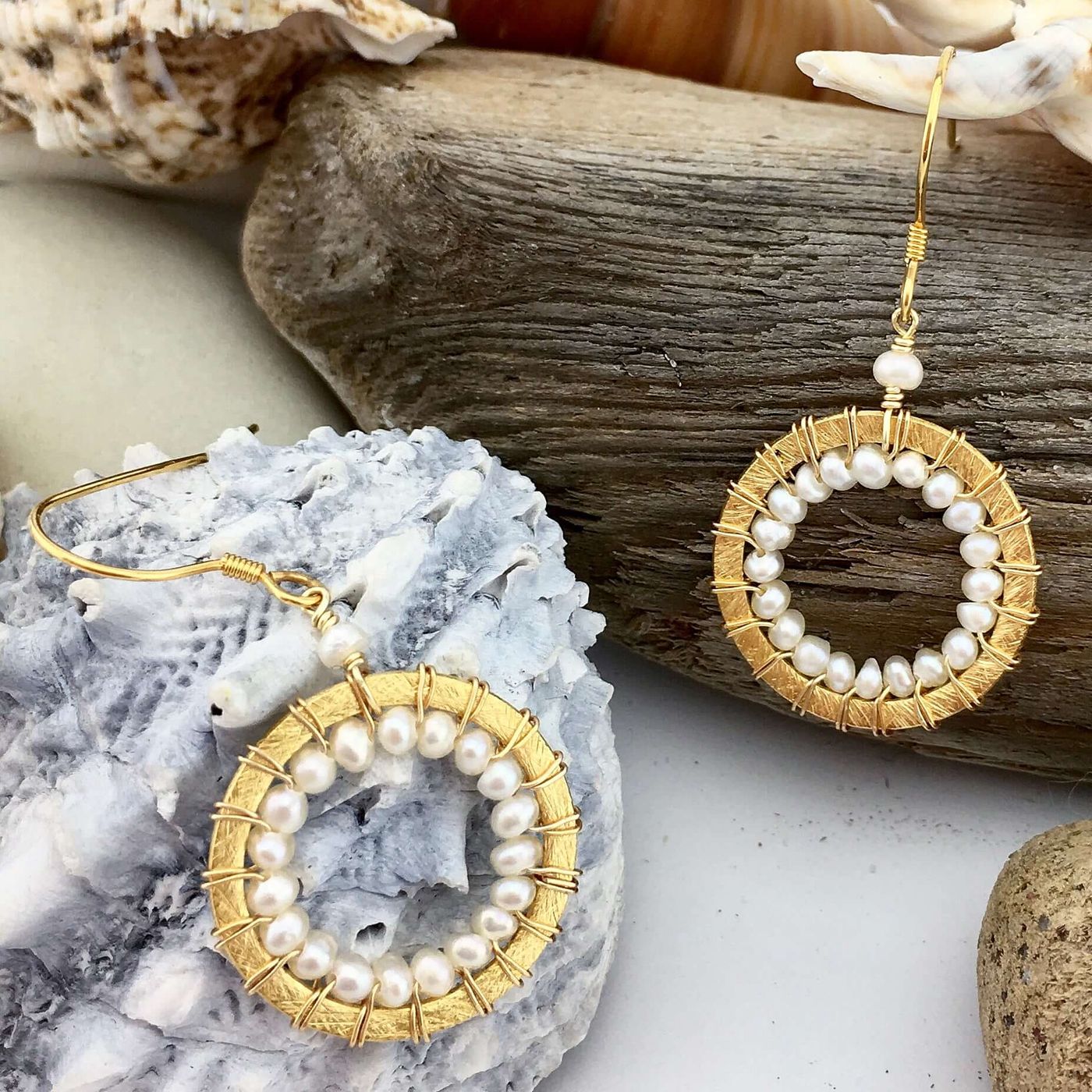
Store pearls on their own, in a soft pouch or lying flat, away from harder gemstones and metal pieces that can scratch nacre just by sitting next to it in a drawer. A pearl necklace tossed into a jewelry box with a stack of rings is a scratch waiting to happen.
Pearls also want a little humidity, which surprises people. A sealed plastic bag or a very dry spot, like a shelf near a heater or a bathroom medicine cabinet, can dry nacre out over time the same way skin dries out in winter. A simple fabric pouch in a drawer is about as good as storage gets.
For necklaces specifically, lay them flat instead of hanging them on a hook. Hanging puts uneven strain on the silk or stringing material over time, and that stretching happens slowly enough that you won't notice until the necklace looks loose.
If you're someone who layers a pearl necklace with a few gold chains, storing pieces separately solves a second problem too: nothing to tangle, nothing to scuff the pearls against a clasp overnight.
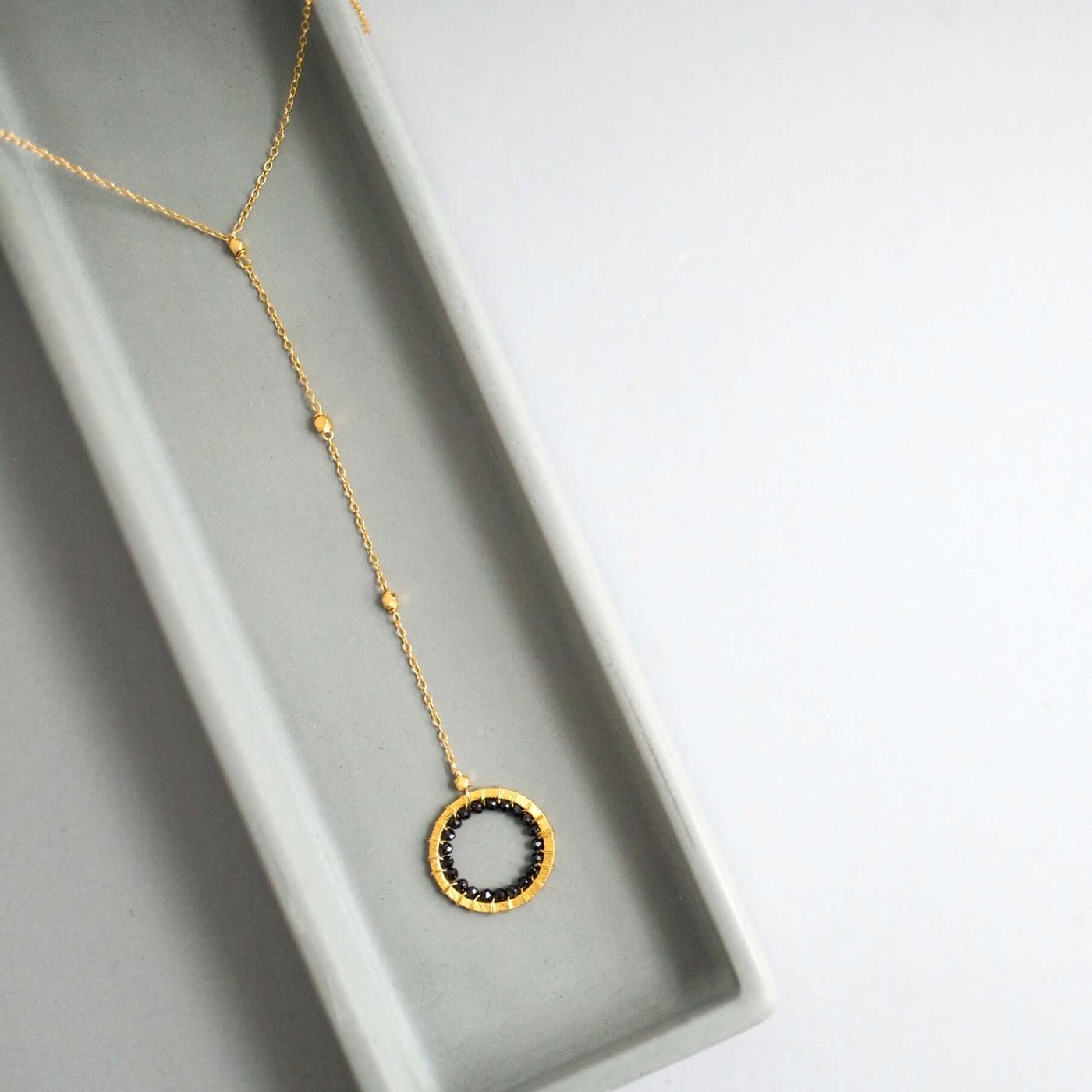
A well-made pearl necklace is knotted, meaning there's a small knot tied between each individual pearl. That's not just a design detail. It means if the string ever breaks, you lose at most one pearl instead of watching the whole strand scatter across the floor. Small thing, big relief.
Worth checking that string now and then, especially on a necklace you wear a lot. Look for stretching or fraying, and if you spot it, get the piece restrung before it actually looks worn, not after. Waiting until it's visibly thin is waiting too long.
Clasps deserve the same occasional glance. A clasp that's gone a little loose is, honestly, the most common reason a pearl necklace ends up lost rather than just damaged. It's an easy thing to overlook because the pearls themselves look fine.
And when you're putting a necklace on or taking it off, go gently. Yanking it over your head puts real stress on both the string and the clasp, and it's a habit that's easy to break once you notice you're doing it.
A few habits account for most of the pearl damage people bring to a jeweler: wearing pearls in the pool or shower, spraying perfume directly onto the strand instead of letting it dry first, tossing pearls loose into a bag with everything else, and using jewelry cleaning wipes made for hard gemstones like diamonds or sapphires.
Chlorine and saltwater are especially rough. They attack the nacre's surface and the plating underneath at the same time, which is a bad combination and part of why pearls and pools just don't mix.
If your pearls already look a little dull or chalky, that's usually product buildup or dryness, not a sign the pearl itself is low quality or damaged beyond repair. A gentle clean and better storage habits often bring real shine back. It's not always permanent.
None of this is about being precious with your jewelry or treating it like it's too fragile to wear. It's a thirty-second habit, wipe it down, store it flat, keep it away from the shower, and that habit is what buys you years of wear instead of months.
It's best to keep freshwater pearls away from water when you can, including showers, pools, and handwashing. Water that seeps into the drill hole can weaken the string over time, and repeated exposure can dull the nacre's natural shine. A quick wipe with a dry cloth after wear is a better daily habit than rinsing.
A soft wipe with a dry or barely damp cloth after each wear is usually enough to keep pearls looking their best. There's no need for a deep clean on a schedule, since pearls respond better to gentle, frequent care than occasional heavy cleaning. Skip ultrasonic cleaners and jewelry dips entirely, they're too harsh for pearls.
A dull or slightly yellowed look is usually a sign of buildup from lotion, perfume, or body oils rather than a flaw in the pearl. Gentle cleaning with a soft cloth and better storage habits (pearls on last, stored flat and separate) often help restore some of the shine. It's rarely a reason to stop wearing the piece, just a cue to adjust the routine.
Yes, freshwater pearls are meant to be worn and often look their best with regular wear, since the natural oils from skin can help keep the nacre from drying out. The key is building in a few small habits, like putting pearls on last and wiping them down afterward, so everyday wear doesn't mean everyday damage. Treat them as a daily signature piece rather than something saved for special occasions.
Signs it's time to restring include a string that looks stretched, yellowed, or frayed, or pearls that shift and slide more than they used to. Knotted pearl strands are designed to limit scattering if the string does break, but it's better to catch wear early. If you notice any of these signs, it's worth having the necklace restrung before it's worn more.
The whole routine fits in one sentence: pearls on last, wipe them down after wearing, store them flat and separate, and keep them away from water and chemicals. That's genuinely the entire system.
Handmade, made-to-order pearl pieces aren't meant to live in a drawer for special occasions only. They're meant to become the necklace or earrings you reach for most mornings, and a little bit of care is what makes that possible without the shine fading on you.
If you're ready to add a new piece or round out what you've already got, take a look through Parken's freshwater pearl collection, handmade to order right here in the USA. And if you'd rather just keep an eye on what's new, join our newsletter and we'll let you know when fresh styles land.

Subscribe to our email list to get early access to new arrivals and exclusive offers.
Leave a comment