Cart
Your cart is empty
Looks like you haven’t added anything yet, browse new arrivals below!
Continue Shopping
Looks like you haven’t added anything yet, browse new arrivals below!
Continue Shopping
You can fall in love with a gemstone and still end up unhappy with the piece. The thing that decides whether a necklace feels right every day isn't just the stone, it's how that stone is held in the metal. Setting style changes how a piece catches on your sweater, how it holds up at the gym, how much it sparkles across a dinner table.
For gemstone jewelry, two setting styles come up again and again: bezel and prong. A bezel setting wraps a thin rim of metal around the stone's edge, fully or mostly enclosing it. A prong setting uses small metal claws, usually four or six, to grip the stone at a few points and leave the rest of it open to the air and the light.
Neither one wins outright. The right choice depends on your lifestyle, the stone itself, and how often the piece actually leaves your jewelry box. This guide walks through bezel vs prong setting for gemstone jewelry on the things that actually matter day to day: protection, sparkle, upkeep, and style, so you can pick with a clear reason instead of a guess.
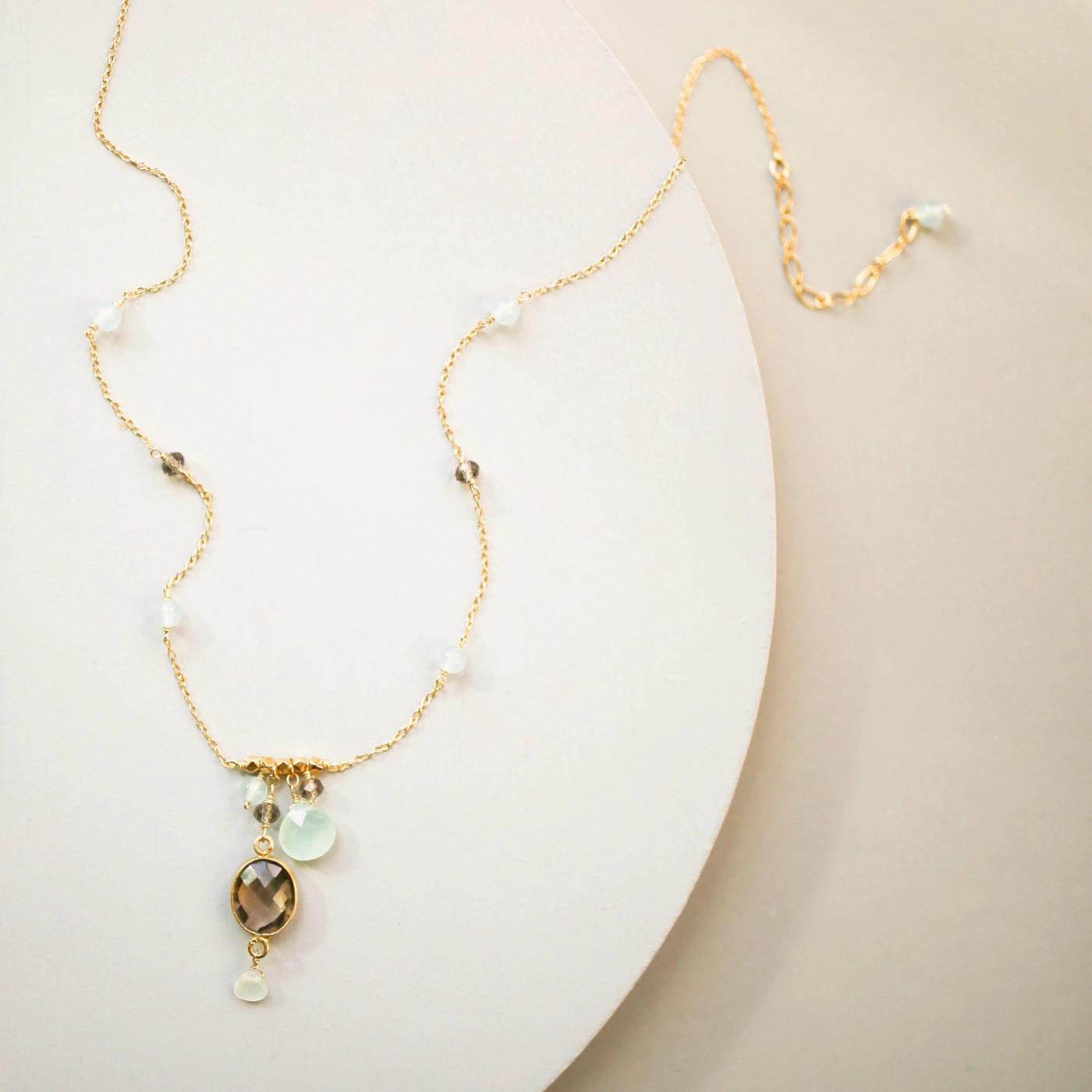
A bezel setting is exactly what it sounds like: a thin band of metal that runs around the stone's girdle, the widest part of the gem, holding it in place like a little frame. Depending on the design, that rim can cover the stone almost entirely or just along the edge, but either way, metal is doing the work of keeping the stone secure.
That rim does more than hold the stone. It protects it. Because the metal absorbs knocks and scrapes instead of the gemstone's edge, bezels are a smart match for jewelry that actually gets worn, not just admired in a drawer. There's also a practical, less glamorous perk: a flush bezel edge has nothing much to snag on. No catching on a scarf, no tangling in your hair while you're pulling off a sweater.
Style-wise, bezels read clean. A bit modern, a bit minimal, with the stone sitting flush against the metal instead of perched above it. It's a bolder look in its own quiet way, since the eye reads the shape of the whole piece rather than just the facets.
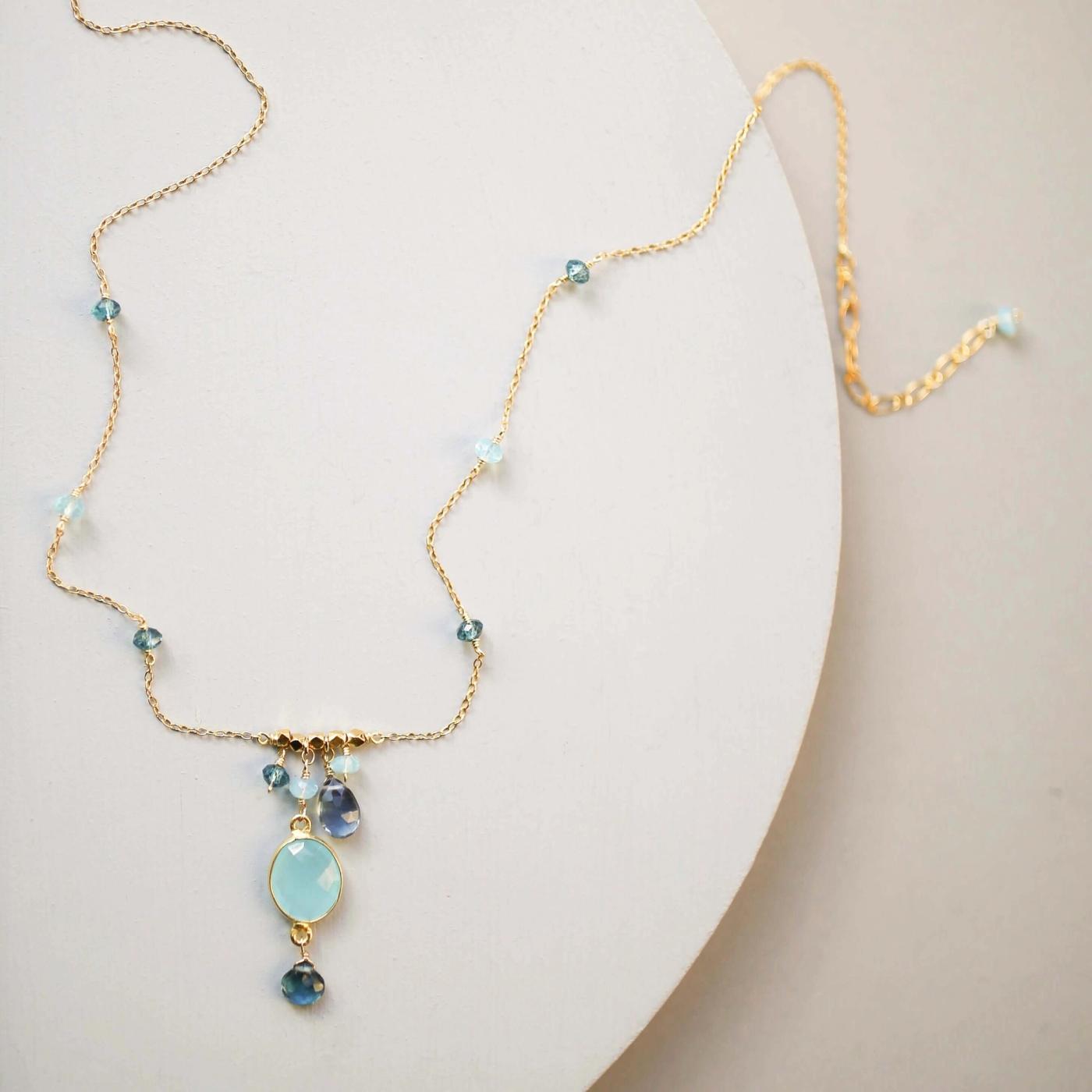
This is exactly why Parken leans on bezel settings for the bezel necklace collection, where stones like smoky quartz, labradorite, and blue chalcedony get wrapped in gold vermeil or rhodium-plated silver. They're designed to be the necklace you forget you're wearing, in the best way.
Prongs work differently. Instead of a continuous rim, you get small metal claws, usually four or six, gripping the stone at specific points and leaving the rest of the surface open. Think of it as the setting equivalent of a stand rather than a box.
That openness is the whole point. With more of the stone exposed, light can hit it from the sides as well as from above, and that extra light is what makes faceted gemstones look brighter and throw more sparkle. It's also why prongs are the go-to for cocktail rings and statement pieces: the setting gets out of the way and lets the stone's full size and shape show.
The trade-off is worth saying plainly. Exposed edges mean more surface at risk of a chip if the piece gets knocked. The raised claws can catch on a sweater or snag in your hair. And over years of wear, prongs can loosen slightly, which is why it's worth checking them now and then rather than assuming they'll hold forever. None of this makes prong settings a bad choice. It just means they ask a little more attention in exchange for a lot more sparkle.
Laid out next to each other, the differences come down to a handful of practical points.
| Factor | Bezel Setting | Prong Setting |
|---|---|---|
| Stone protection | Metal rim shields the edge from chips | More surface exposed to impact |
| Everyday durability | Better for daily wear, gym bags, active days | Needs more care around rough activity |
| Light and sparkle | Slightly muted, smooth subtle shine | More light reaches the stone, extra brilliance |
| Snag factor | Flush rim rarely catches on clothing or hair | Raised claws can catch more easily |
| Visual style | Modern, minimalist, bold | Classic, delicate, traditional |
| Best stone types | Softer or included stones, like labradorite | Harder, clear-cut stones where sparkle is the focus |
That last row matters more than people expect. A stone like labradorite or opal quartz has natural inclusions and a softer surface, so the protection a bezel offers isn't just about style, it's practical insurance against daily wear. A clean, hard-cut stone chosen for its brilliance is better served by a prong, since the whole reason you picked that stone was the sparkle, and a bezel would mute some of it.
Here's a simple way to decide: think about how often the piece comes off.
If you want something you put on and basically forget about, a necklace you'd wear to work, the gym, and dinner without a second thought, bezel is the lower-maintenance pick. It shrugs off bumps and doesn't snag, which matters more than people realize once a piece becomes part of the daily routine.
If the piece is for a special occasion, or it's a gift meant to be a statement rather than a daily companion, prong is worth the slightly extra care. Maximum sparkle is what prongs are built for, and that's exactly what you want on something meant to catch the light at a dinner or a wedding.
Honestly, the deciding factor is usually the wearer's hands, not their taste. Someone who gardens, hits the gym daily, or chases kids around is going to appreciate a bezel setting a lot more than a prong, regardless of which one photographs better. If you're buying a gift, this same logic holds: bezel tends to suit an everyday go-to necklace, while prong suits something more formal, saved for dressing up.
Whichever setting you land on, the basics of gemstone care don't change. Keep the piece away from lotion, perfume, and chlorine. Those are the real enemies of both plating and stone, far more than the setting style itself.
Bezel pieces are easy to maintain: a soft cloth wiped gently around the smooth rim is usually all it takes, since there's no row of prongs to snag the fabric or trap residue. Prong pieces need a slightly closer look over time. Every so often, check that the stone sits snug in its claws and that nothing feels loose, especially on pieces worn most days. Catching a loose prong early is a lot easier than dealing with a lost stone later.
For anything specific to storage, cleaning, or returns, it's worth checking Parken's shipping policy and the FAQ page rather than guessing. Those pages have the actual details.
Generally yes. A bezel wraps metal fully around the stone's edge, so there's no gap for the stone to catch or chip against, while prongs hold the stone at just a few points. That makes bezel settings a popular pick for jewelry you want to wear daily without worrying about it.
A bezel can visually cover a sliver of the stone's outer edge, which sometimes makes it read a touch smaller than the same stone in a prong setting. In exchange, you get a smooth, modern look and a stone that's well protected, so it's really a style trade-off rather than a flaw.
Both can be cleaned with a soft, dry cloth, but bezel settings are a bit easier since there are no raised claws to snag the fabric on. Either way, keep plated jewelry away from water, lotion, and perfume to help the finish last as long as possible.
Bezel settings tend to hold up better day to day because the smooth metal rim protects the stone's edge and doesn't catch on clothing, hair, or bags. If you're choosing one necklace to wear almost every day, bezel is usually the lower-maintenance option.
Parken's bezel necklace collection uses bezel settings, where a rim of gold vermeil or rhodium plated sterling silver wraps around natural gemstones like labradorite, smoky quartz, and blue chalcedony. Each piece is handmade to order in the USA, so the exact placement of the stone varies slightly piece to piece.
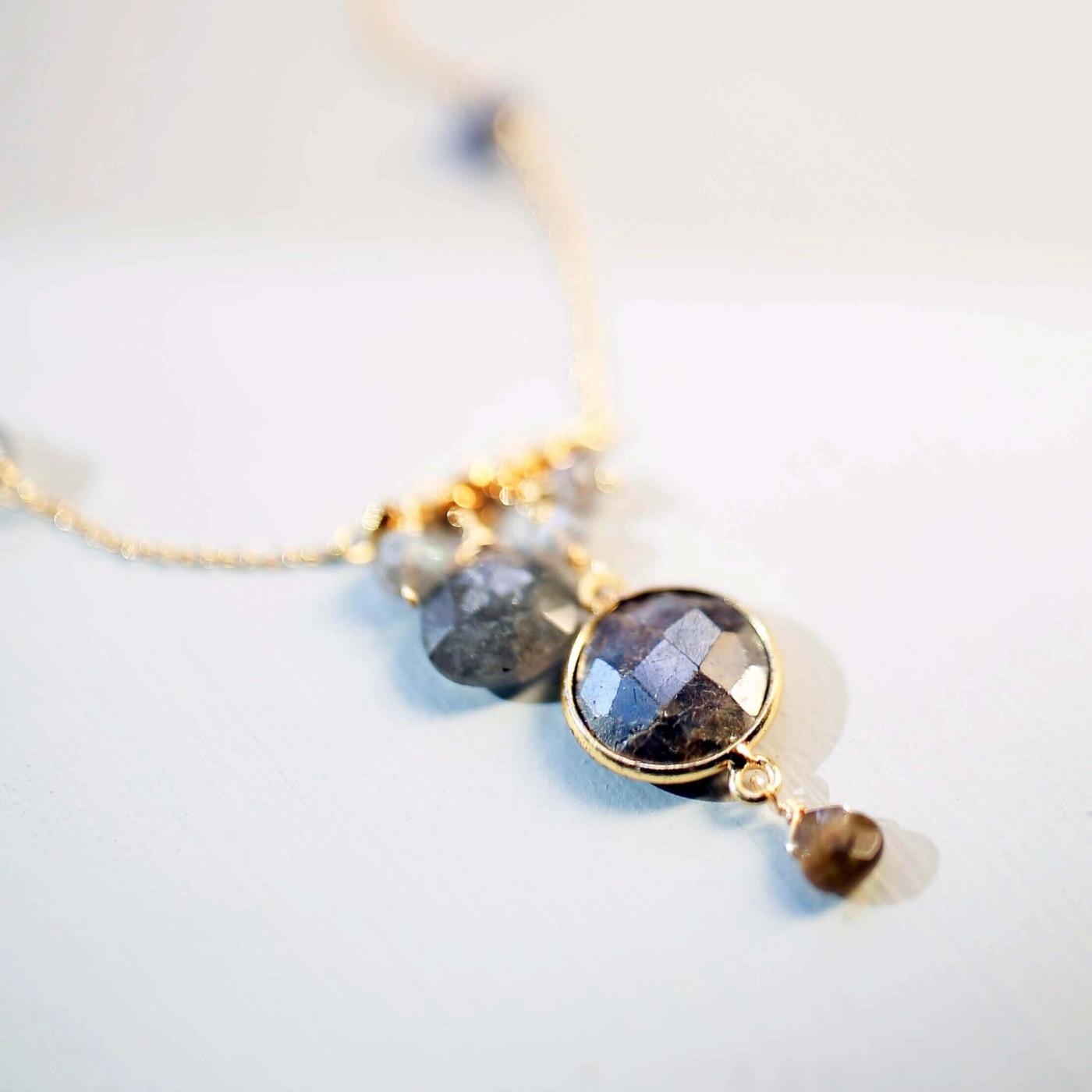
If there's one setting that matches how Parken thinks about jewelry, it's the bezel. Made to order, meant to be worn, not just looked at: protective, low-maintenance, and quietly modern in a way that fits an actual daily routine.
Take a look through the bezel necklace collection to see how stones like labradorite, smoky quartz, and blue chalcedony look wrapped in gold vermeil or rhodium-plated silver. And if you'd rather get styling ideas and new arrivals in your inbox before deciding, join the newsletter and we'll keep you posted, no pressure, just good jewelry when you're ready for it.

Subscribe to our email list to get early access to new arrivals and exclusive offers.
Leave a comment